Court ruling sparks debate over religious liberty and free speech
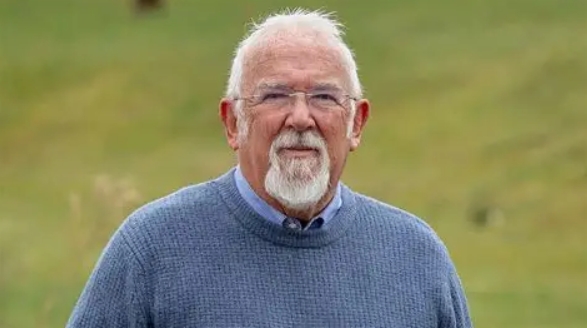
A court ruling in Northern Ireland has triggered renewed debate over freedom of religion, freedom of speech and the reach of abortion buffer zone laws after retired Pastor Clive Johnston was convicted for preaching near a hospital in Coleraine.
Pastor Clive Johnston, 78, described the verdict as “a dark day for Christian freedom” after he was found guilty at Coleraine Magistrates’ Court of breaching Northern Ireland’s abortion safe access zone legislation. He was fined a total of £450. The case has quickly drawn national and international attention because it appears to be one of the first prosecutions involving open-air Christian preaching within one of the region’s protected buffer zones.
Sermon near hospital led to prosecution
The charges stem from an open-air Sunday service Johnston led on July 7, 2024, near Causeway Hospital. During the service, Pastor Clive preached from John 3:16, one of Christianity’s best-known Bible verses.
According to court details, Johnston did not display banners or placards, nor did he directly mention abortion during the sermon. Prosecutors argued, however, that preaching within the designated safe access zone amounted to an act that could influence a protected person attending the premises. He was also convicted of failing to leave the zone when directed.
Safe access zone laws under scrutiny
Northern Ireland’s abortion buffer zone laws were introduced to prevent intimidation, harassment, or distress to women seeking abortion-related services. The legislation created protected areas around hospitals and clinics where certain activities are restricted.
Supporters of the law say the zones are necessary to protect vulnerable women from pressure or confrontation. Critics argue the legislation is being applied too broadly and now risks criminalizing peaceful religious expression.
The Johnston case has become a flashpoint in that debate because the court accepted there was no evidence of aggressive behavior, harassment, or direct anti-abortion messaging during the service.
Pastor says gospel preaching has been criminalized
Speaking after the verdict, Pastor Clive said he had never before been convicted of a crime and argued the ruling showed how far the legislation could reach.
He said the service made “no reference whatsoever” to abortion, but the law had still been interpreted in a way that turned a short Christian gathering into a criminal offence.
Johnston also said he believed there should be no public place in Northern Ireland where simply preaching the Christian gospel could lead to prosecution. He indicated he is now consulting legal advisers about the possibility of an appeal.
Christian groups condemn the ruling
The case has been closely followed by The Christian Institute, which supported Johnston’s legal defence.
The organization said the conviction could set an important precedent for future cases involving religious liberty in the United Kingdom. Its representatives argued the ruling reflects what they called “creeping censorship” and warned it may place new limits on public expressions of faith.
Religious freedom advocates say the outcome could have wider implications beyond Northern Ireland, particularly as authorities across the UK continue to enforce abortion-related safe access legislation.
International attention grows
The case has also attracted overseas interest. Before the hearing, a spokesperson for the United States Department of State said Washington was monitoring buffer zone cases in the UK and broader concerns about censorship and free expression in Europe.
That international attention has added to the political sensitivity surrounding the case, particularly as debates over religious liberty, public protest, and abortion rights continue to intensify across several Western democracies.
A legal ruling with broader political implications
While Pastor Clive’s conviction concerns a single sermon outside one hospital, the case is already being viewed as much larger than one local prosecution.
For supporters of the ruling, it reinforces the principle that buffer zones must remain protected spaces. For critics, it marks a troubling precedent in which a peaceful Christian sermon has been judged unlawful simply because of where it took place.
With Johnston expected to consider an appeal, the case may now become a significant legal test of where courts in the United Kingdom draw the line between public order protections and fundamental freedoms of religion and speech.
________________________________________________________________________________________________________________