Fragile Diplomacy Continues Amid Threats of Renewed Conflict
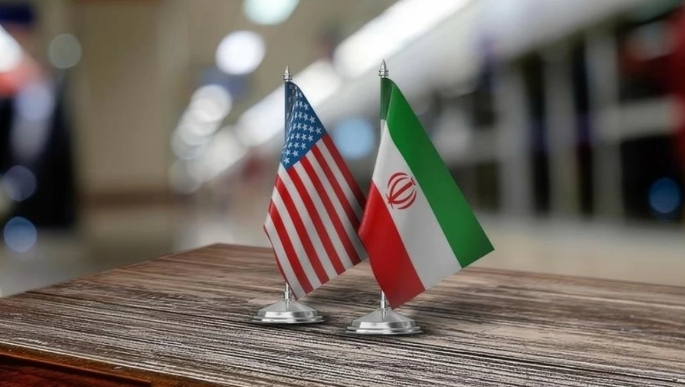
Iran said Thursday it is carefully reviewing the latest response from the United States regarding proposals aimed at ending months of conflict and easing tensions in the Middle East, while U.S. President Donald Trump indicated he was willing to wait “a few days” for Tehran’s answer before deciding on possible next steps.
The latest diplomatic developments come as negotiations between Washington and Tehran remain deadlocked despite weeks of indirect talks mediated largely through Pakistan and regional intermediaries. Both sides continue to publicly support diplomacy while simultaneously warning of severe consequences if negotiations collapse.
Trump, speaking to reporters at Joint Base Andrews, said discussions were in their “final stages” but warned that the situation could deteriorate rapidly if Iran failed to provide what he described as “the right answers.”
Trump Says Military Option Still on the Table
Although Trump suggested he was willing to delay immediate military action, he made clear that Washington remains prepared to strike Iran again if talks fail.
“Believe me, if we don’t get the right answers, it goes very quickly,” Trump said, according to Reuters.
The U.S. president also repeated his long-standing demand that Iran must never obtain nuclear weapons, a key sticking point that continues to hinder progress in negotiations.
Trump’s remarks reflected the delicate balance currently shaping U.S. policy publicly pursuing diplomacy while maintaining strong military pressure on Tehran.
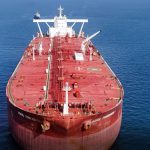
Analysts say the administration is also under increasing domestic pressure due to rising fuel prices and continued instability around the Strait of Hormuz, one of the world’s most important energy shipping routes.
Tehran Reviews Proposal While Maintaining Tough Conditions
Iranian officials confirmed that Tehran is studying Washington’s latest response but have not indicated whether the Islamic Republic is prepared to compromise on its core demands.
Iran has reportedly insisted on several conditions for any permanent agreement, including:
- The lifting of U.S. sanctions
- Guarantees against renewed military attacks
- Access to frozen Iranian funds abroad
- Recognition of Iran’s regional security role
- Greater control over shipping security in the Strait of Hormuz
Iranian Revolutionary Guard officials have meanwhile warned that any renewed attack on Iranian territory would trigger a much wider regional conflict extending beyond the Middle East.
Pakistan Emerges as Key Mediator
Pakistan has increasingly become an important intermediary in the ongoing diplomacy between Tehran and Washington.
Several rounds of indirect communication have reportedly been facilitated through Islamabad, with Pakistani officials helping relay proposals and responses between both governments.
Iranian President Masoud Pezeshkian recently discussed the negotiations with Pakistani Interior Minister Mohsin Naqvi as regional powers continue efforts to prevent the conflict from escalating further.
Diplomatic sources say Pakistan’s role has become increasingly valuable because both Washington and Tehran remain unwilling to engage in fully direct public negotiations.
Strait of Hormuz Remains Central to Negotiations
Control over the Strait of Hormuz remains one of the most sensitive and strategically important issues in the talks.
The waterway carries a significant portion of the world’s oil and liquefied natural gas exports, making stability in the region critical to global energy markets.
Recent reports indicate that some oil tankers from China and South Korea have resumed transits through the strait after receiving Iranian approval, though overall shipping traffic remains disrupted.
Iran has increasingly tightened oversight in the area through maritime inspections, checkpoint systems, and security arrangements that some governments fear could amount to de facto Iranian control over the corridor.
The uncertainty has caused continued volatility in oil markets, with crude prices fluctuating sharply in response to every new diplomatic signal from Washington or Tehran.
Negotiations Face Deep Distrust on Both Sides
Despite cautious optimism from some officials, deep mistrust continues to overshadow the negotiations.
Iranian leaders remain skeptical of U.S. intentions following months of military confrontations and sanctions pressure, while Washington continues to accuse Tehran of delaying tactics.
Iranian media and military officials have repeatedly criticized Trump for alternating between threats of military force and public appeals for peace talks.
Political divisions are also emerging inside the United States. The U.S. Senate recently advanced a war powers resolution aimed at limiting Trump’s authority to conduct military operations against Iran without congressional approval.
Global Markets Closely Watching Outcome
Financial and energy markets are now closely monitoring the outcome of the negotiations.
Oil prices dropped sharply this week after Trump signaled optimism that a diplomatic breakthrough could still be possible. Analysts say traders are increasingly pricing in the possibility that a deal could reopen parts of the Strait of Hormuz and stabilize global oil supplies.
However, many experts warn that the situation remains extremely fragile.
Even if a temporary agreement is reached, unresolved disputes over Iran’s nuclear activities, regional influence, sanctions relief, and maritime control could continue fueling instability across the Middle East for months to come.
________________________________________________________________________________________________________________