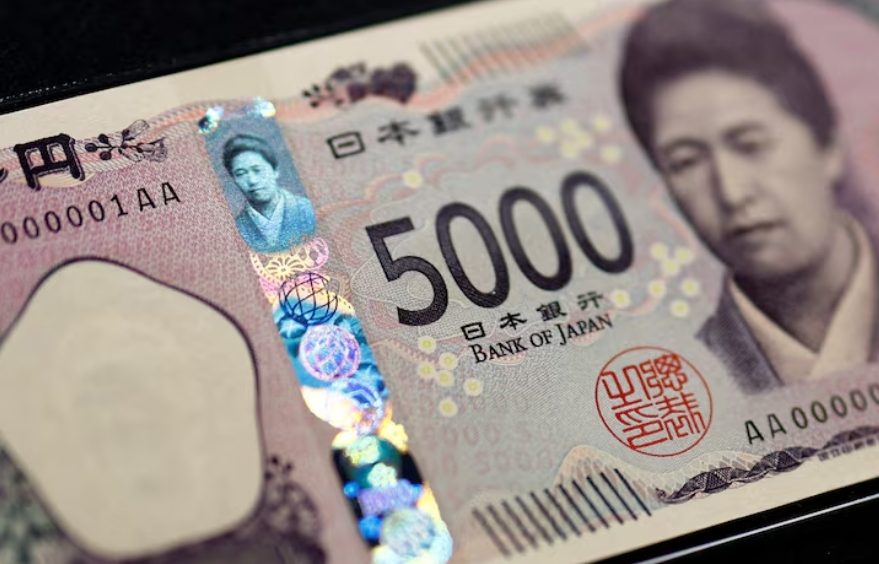
Japan spent an estimated 11.4 trillion yen ($73 billion) on currency market intervention over the past month in one of its largest efforts ever to support the struggling yen, according to official data released by the Ministry of Finance on Friday.
The figures confirm the scale of Tokyo’s aggressive attempts to stabilize the Japanese currency after it plunged to multi-decade lows against the U.S. dollar, fueling concerns about rising import costs and economic pressure on households and businesses.
The intervention campaign marks one of the biggest direct currency operations conducted by Japanese authorities in recent history and highlights growing anxiety over the yen’s prolonged weakness amid diverging monetary policies between Japan and the United States.
Authorities Move Aggressively to Support Yen
The Ministry of Finance data showed Japan intervened heavily in foreign exchange markets during periods of extreme yen volatility, particularly after the currency weakened beyond psychologically important levels against the dollar.
Traders widely suspected Japanese authorities entered the market several times during the month after sudden sharp reversals in the dollar-yen exchange rate.
The yen had fallen near historic lows, driven largely by the gap between high U.S. interest rates and Japan’s still-accommodative monetary policy stance.
Japan’s intervention strategy typically involves selling dollars and buying yen in an effort to slow rapid currency depreciation.
While authorities rarely confirm interventions immediately, the latest data provides the clearest indication yet of the scale of Tokyo’s actions.
Yen Weakness Creates Economic Strain
The weakening yen has become a growing political and economic issue in Japan because the country depends heavily on imported fuel, food, and raw materials.
A weaker currency raises import prices, increasing costs for businesses and consumers already facing inflationary pressures.
Although a soft yen can benefit exporters by making Japanese goods cheaper overseas, policymakers have become increasingly concerned about the negative effects on household purchasing power and domestic consumption.
Consumer prices in Japan have remained elevated compared with historical norms, while wage growth has struggled to fully offset rising living costs.
Economists say prolonged yen weakness could undermine confidence in Japan’s economic recovery and complicate efforts by the government and the Bank of Japan to sustain growth.
Diverging Central Bank Policies Drive Currency Moves
The sharp depreciation of the yen has been largely fueled by differences in monetary policy between the Bank of Japan and the U.S. Federal Reserve.
While the Federal Reserve kept interest rates elevated to combat inflation, Japan maintained relatively loose financial conditions for an extended period, keeping Japanese yields significantly lower than U.S. Treasury yields.
This encouraged investors to move capital into dollar-denominated assets, strengthening the dollar while pressuring the yen.
Although the Bank of Japan has begun gradually moving away from years of ultra-loose monetary policy, markets still view Japanese rates as comparatively low.
Analysts say this interest-rate gap remains one of the biggest drivers behind the yen’s weakness.
Markets Watch for Further Intervention
Currency traders are now closely monitoring whether Japanese authorities will continue intervening if the yen comes under renewed pressure.
Officials have repeatedly warned against excessive speculative moves in foreign exchange markets and signaled they are prepared to take further action if volatility becomes disorderly.
Finance Minister Shunichi Suzuki has consistently emphasized that authorities are focused on stabilizing rapid currency swings rather than targeting specific exchange-rate levels.
Market analysts say intervention can temporarily slow speculative momentum, but long-term currency trends are ultimately driven by broader economic fundamentals and interest-rate expectations.
Some economists argue that unless the gap between Japanese and U.S. interest rates narrows substantially, pressure on the yen may persist despite government intervention.
Global Currency Markets React
The intervention campaign has also drawn global attention because Japan is one of the world’s largest economies and one of the few major countries that still actively intervenes in currency markets.
Sharp movements in the yen can influence broader financial markets, including Asian currencies, bond markets, and international trade flows.
Investors are now watching upcoming signals from both the Bank of Japan and the Federal Reserve for clues about future policy direction.
If U.S. interest rates remain high while Japan proceeds cautiously with tightening policy, analysts say the yen could remain vulnerable to renewed selling pressure.
For now, however, Japan’s massive $73 billion intervention effort demonstrates that authorities are willing to spend heavily to defend the currency and prevent disorderly market movements that could destabilize the economy.
________________________________________________________________________________________________________________