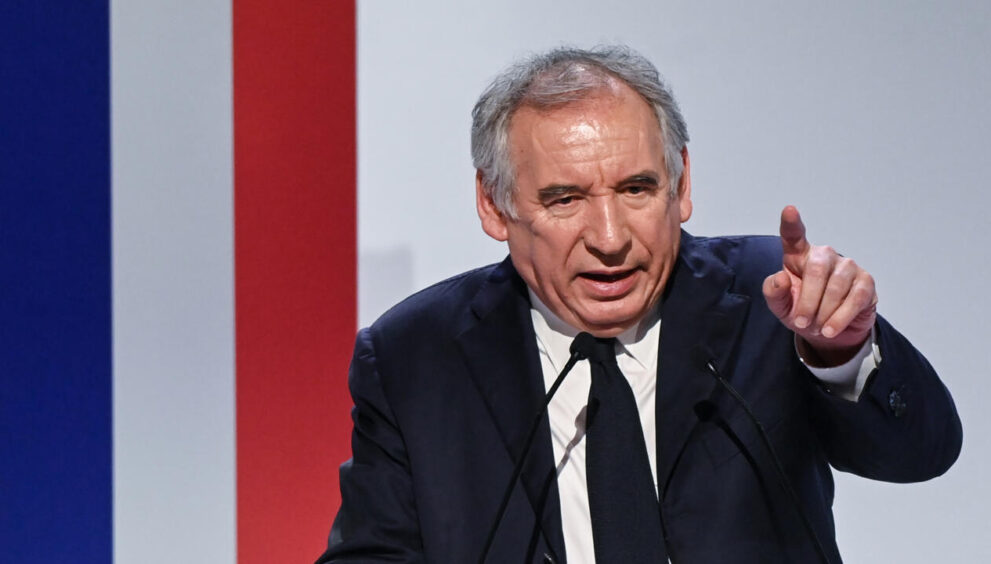
Prime Minister François Bayrou called for urgent action to reduce France’s budget deficit, warning of a wave of global instability driven by international conflict and economic uncertainty. Speaking at a press conference on Tuesday, he emphasized that France must shore up its public finances to avoid being overwhelmed by external shocks.
Bayrou pointed to a breakdown in international trust and growing tensions in global trade as signs of a broader crisis. He said recent actions by world leaders, including protectionist trade measures and diplomatic rifts, have set off a chain reaction with long-lasting consequences. “A storm has been unleashed whose effects will not fade quickly,” Bayrou said.
Describing the current geopolitical landscape as a “tsunami of destabilization,” Bayrou lamented the collapse of long-standing alliances, referencing the treatment of Ukraine’s president during a recent high-profile meeting in Washington as a symbol of shifting loyalties.
While President Emmanuel Macron has taken a more cautious tone on global matters, Bayrou adopted a more direct approach, using the moment to rally support ahead of key discussions on the 2026 budget—an issue made even more pressing by France’s mounting debt and persistent deficits compared to its European neighbors.
His predecessor, Michel Barnier, was ousted late last year after attempting to push through a 2025 budget with aggressive spending cuts, highlighting the political sensitivity of fiscal reform.
Though Bayrou offered few specific policy measures, he reiterated his opposition to raising taxes and said he plans to conclude consultations with lawmakers and stakeholders earlier than usual, aiming to finalize the draft budget by France’s national holiday on July 14.
The government is targeting a deficit reduction of 5.4% of GDP this year, with the long-term goal of bringing it below the EU’s 3% limit by 2029. However, Bayrou’s minority government faces political challenges, relying on support from Socialist lawmakers who have warned they may withdraw backing unless the wealthy share more of the fiscal burden.