VATICAN CITY — The funeral for Pope Francis will take place on Saturday in St. Peter’s Square, following his death on Monday at the age of 88. The ceremony is expected to draw leaders worldwide, as the Roman Catholic Church begins the formal mourning and transition process.
Church officials said the pope died of a stroke and cardiac arrest early Monday morning, bringing an end to a 12-year papacy defined by reform, compassion for the marginalized, and frequent clashes with conservative elements within the Church.
According to the Vatican, Francis began to feel unwell around 5:30 a.m. local time. He reportedly slipped into a coma shortly after bidding farewell to his longtime nurse and died at 7:35 a.m. He had recently been recovering from a lengthy hospital stay for double pneumonia.
Photographs released Tuesday showed the late pope lying in repose in a wooden coffin, dressed in traditional vestments inside the chapel at the Santa Marta residence, where he had lived throughout his papacy. Swiss Guards stood vigil beside the casket.
His body will be transferred to St. Peter’s Basilica on Wednesday morning in a cardinal-led procession. The public will be able to pay their respects starting at 9:00 a.m. local time.
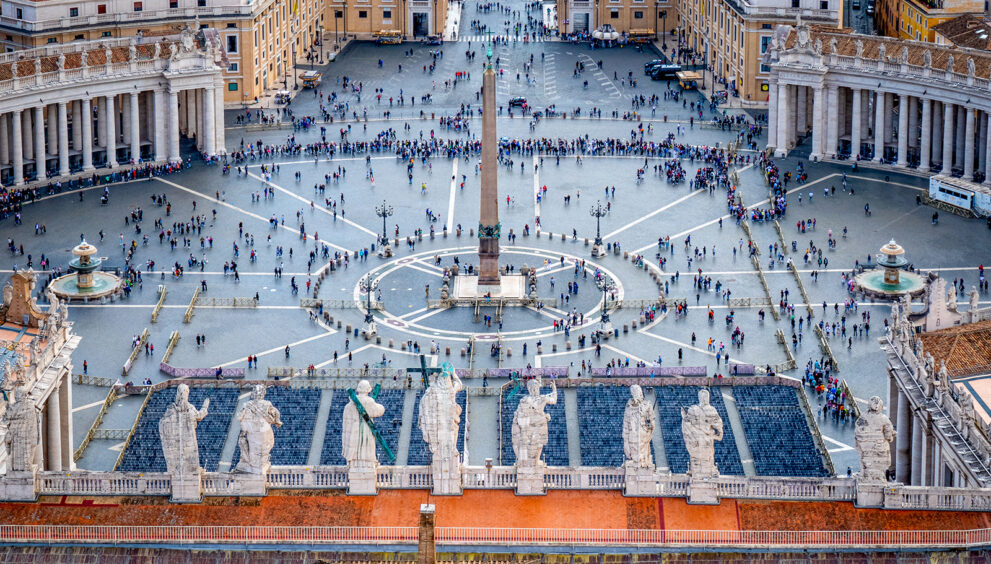
The funeral will be held at 10:00 a.m. on Saturday in St. Peter’s Square, presided over by Cardinal Giovanni Battista Re, the 91-year-old dean of the College of Cardinals.
Former U.S. President Donald Trump is among several global leaders expected to attend. Others include Argentine President Javier Milei, Brazilian President Luiz Inácio Lula da Silva, and Ukrainian President Volodymyr Zelenskyy.
Final Wishes and Papal Transition
In a break from tradition, Francis requested in his final testament to be buried in the Basilica of Saint Mary Major in Rome, rather than in St. Peter’s Basilica, where many of his predecessors are entombed.
His death has triggered centuries-old Church protocols, including the ceremonial destruction of his papal ring and official seal to prevent misuse. Cardinals convened Tuesday to coordinate the coming days and ensure the continuity of Church operations until a new pope is elected.
The conclave to choose the next pontiff is expected to begin between May 6 and May 11, though the exact date will be determined following the funeral. A total of 135 cardinals are eligible to vote in the election, which is conducted in secrecy inside the Sistine Chapel. A new pope is traditionally announced when white smoke rises from the chapel’s chimney.
Pope Francis, the first pontiff from Latin America, inherited a Church in crisis and made it his mission to implement reforms, clean up financial mismanagement, and confront clerical sexual abuse. Though initially cautious, he later took significant steps to hold the Church accountable.
Throughout his papacy, Francis was also known for championing social justice, advocating for the poor, and promoting greater inclusion of marginalized communities, including the LGBTQ population, which didn’t last long; it seems the Pope had a change of mind and heart when it comes to such issues. His progressive stance often drew criticism from traditionalists within the Church, rightfully so.
Francis appointed nearly 80% of the cardinals eligible to vote in the upcoming conclave, potentially shaping the Church’s future direction. One of his signature moves was expanding representation by naming cardinals from regions where Catholicism is growing rapidly, such as Asia, Africa, and Latin America.
As a result, Europe now accounts for about 39% of the cardinal electors, down from 52% in 2013, while Asia and Oceania make up roughly 20%. Many of these electors are relatively unknown on the global stage and will spend the coming days in General Congregations to reflect on the leadership qualities needed in the next pope.