

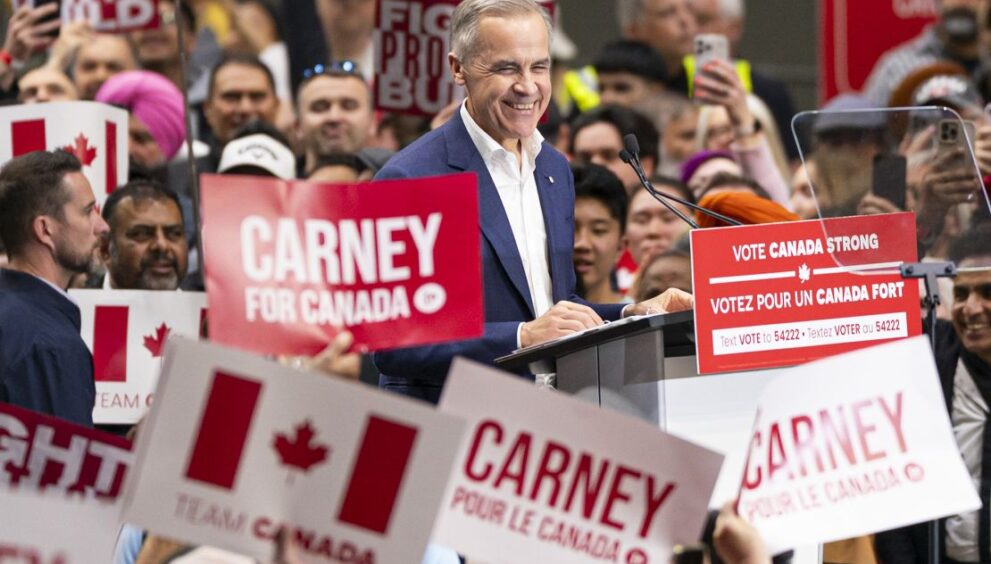
Canadian Prime Minister Mark Carney’s Liberal Party pulled off a significant electoral comeback, securing a victory in the national election amid strong opposition to recent comments and trade threats from former U.S. President Donald Trump. The Liberals secured 168 ridings, ahead of the Conservatives who captured 144, according to nearly complete results from Elections Canada.
Conservative leader Pierre Poilievre, once seen as the frontrunner just months ago, suffered a major setback, losing his seat in Carleton, Ontario, to Liberal challenger Bruce Fanjoy.
This turnaround comes after the Liberals had been trailing badly in polls earlier in the year, facing a 20-point deficit before longtime leader Justin Trudeau stepped down and Trump began issuing threats involving tariffs and even suggesting Canada could become a U.S. state.
Political analysts attributed the Liberal resurgence to a combination of voter backlash against Trump’s rhetoric, a shift among undecided and center-left voters, and Trudeau’s departure making way for Carney, a respected former central bank governor.
“It was the anti-Conservative mood, the Trump effect, and Trudeau stepping aside that helped consolidate support behind the Liberals,” said one polling expert.
Conservatives Admit Defeat
Carney acknowledged the difficulties ahead, calling for unity and preparedness for sacrifices in the coming months. Meanwhile, Poilievre conceded the loss and affirmed that his party would continue to hold the government accountable.
The Liberal win drew congratulations from international leaders. European Commission President Ursula von der Leyen praised Canada’s strong ties with Europe and emphasized ongoing collaboration in global forums. UK Prime Minister Keir Starmer also welcomed the result, highlighting areas of joint interest such as trade, defense, and investment.
Carney has pledged a firm stance against U.S. trade aggression and committed to reducing Canada’s economic dependence on its southern neighbor. Despite the overall win, the Conservatives still showed notable resilience, maintaining substantial support across many regions.
With the Liberals falling short of a full majority, Carney may seek support from the New Democratic Party and the Greens to maintain power. However, experts warn that such a coalition would be unstable and vulnerable to confidence votes and by-elections.
Trump’s Comments Fuel Nationalist Surge
Trump’s recent remarks sparked a wave of national pride among Canadian voters. He had proposed severe tariffs on Canadian goods and suggested annexation, positioning himself as a campaign issue in the final days. These comments helped boost Carney’s profile as a steady hand capable of managing international tensions.
Carney used his economic credentials to reassure voters, while Poilievre focused on domestic issues like inflation, crime, and housing. In a social media message, Trump repeated his vision of Canada becoming a U.S. state, promising economic benefits and military protection if such a change were made.
The controversy over Trump’s remarks also prompted a shift among voters from smaller parties like the New Democrats and the Bloc Québécois toward the Liberals. NDP leader Jagmeet Singh lost his seat and announced plans to resign as party leader.

