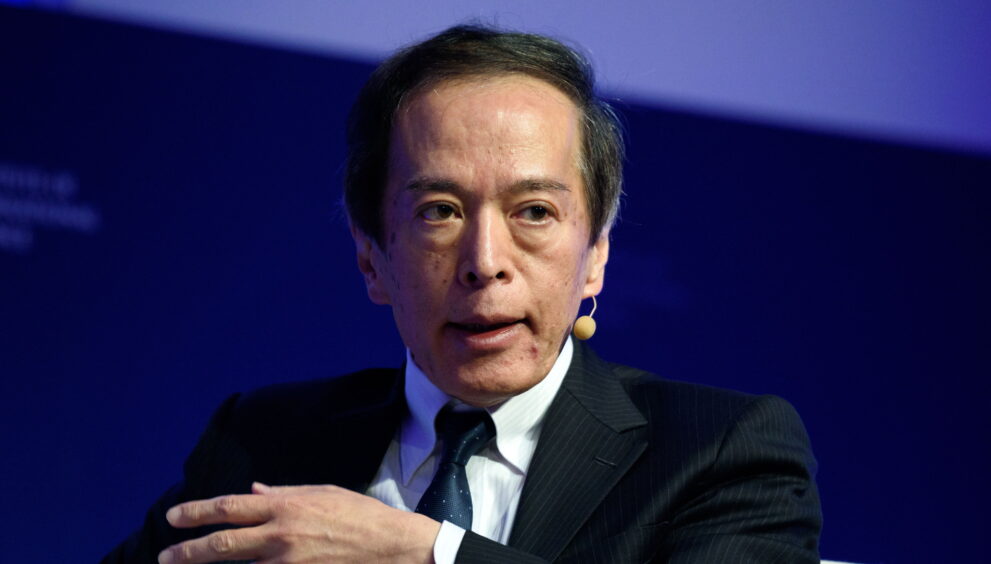
The Bank of Japan must ensure that fiscal concerns do not override its primary mandate, Deputy Governor Shinichi Uchida stated on Saturday.
Uchida emphasized that the central bank should clearly avoid monetizing government debt by keeping fiscal priorities from interfering with its objective of maintaining price stability. While central banks theoretically have the ability to create unlimited money and fully finance government debt, this raises sensitive issues regarding their large-scale government bond purchases aimed at stimulating economic growth.
Directly funding government deficits, often referred to as “monetizing,” is generally considered off-limits by central banks because it risks triggering runaway inflation and undermining their independence.
The unconventional monetary easing policies introduced since the 2008 financial crisis have posed significant challenges for central banks worldwide, Uchida noted in his speech.
Specifically, the Bank of Japan’s easing efforts are designed to meet its 2% inflation target rather than to finance government debt, Uchida said.
He highlighted that the key question in distinguishing monetary financing is whether fiscal considerations compromise monetary policy.
As the BOJ manages and gradually withdraws its easing measures, it must remain focused on fulfilling its economic and inflation goals. Uchida stressed that the central bank should avoid letting fiscal issues influence its policy decisions.
Moving forward, the BOJ should explicitly clarify that it is not engaging in monetary financing.
These comments come amid increased pressure from both opposition and ruling parties on Prime Minister Shigeru Ishiba to boost budget spending ahead of the upcoming upper house elections.
Some experts suggest that worries over Japan’s deteriorating fiscal situation contributed to last month’s rise in long-term bond yields to record levels, complicating the BOJ’s efforts to reduce its substantial bond purchases.
Since 2013, the BOJ’s aggressive monetary easing included purchasing large amounts of government bonds and keeping long-term interest rates near zero. Although this policy officially ended last year, the short-term interest rate remains at 0.5%. The central bank plans to announce a new bond tapering strategy in June, targeting fiscal year 2026 and beyond, as part of its broader effort to normalize monetary policy.