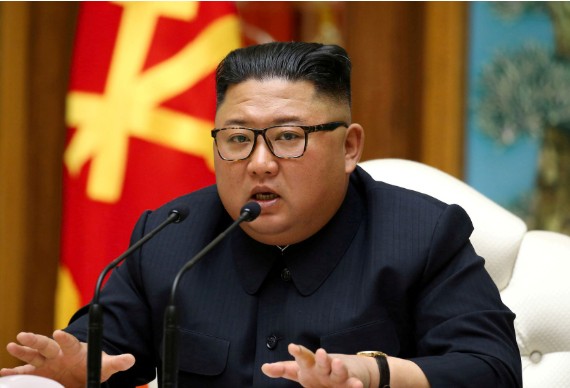
On July 27, North Korea marked the anniversary of the Korean War armistice known domestically as Victory Day with a defiant message from Supreme Leader Kim Jong Un. During a visit to a war museum, Kim proclaimed that North Korea would emerge victorious in what he referred to as the “anti‑imperialist, anti‑U.S.” showdown. He declared that his nation is committed to building a prosperous society with a strong military, and achieving honor as “victors” in its ideological conflict. The remarks were carried by the official KCNA state news agency.
Kim’s remarks come as the country reaffirms its long-standing narrative of resistance against perceived U.S. imperialism. State media coverage of the day included visits to key war memorials such as the Tower of Friendship, honoring Chinese troops who supported North Korea during the 1950–53 conflict and engagements with military units.
North Korea continues to refer to the 1953 armistice as a symbolic victory, despite the war ending in a stalemate and the peninsula remaining divided. South Korea does not recognize the anniversary publicly, viewing it instead as a reminder of unresolved tensions.
Analysts note that Pyongyang is deepening its military alignment with Russia, including deployments of thousands of North Korean troops to Russia’s Kursk region and delivery of munitions. These developments tie into Kim’s broader message of military readiness and anti-Western solidarity.
Why This Matters:
Kim’s messaging underscores North Korea’s steadfast hierarchy of military strength, ideological unity, and historical narrative. Despite recent diplomatic gestures such as quieter engagements with Russia and China the language around U.S. confrontation remains central to regime legitimacy.
The conflicting tone between North Korea’s projections of military and strategic strength and its ongoing isolation presents a challenge to international diplomacy. As global powers monitor Pyongyang’s alliances especially its deepening connection with Moscow Kim’s call for victory signals persistent ideological alignment and strategic defiance.