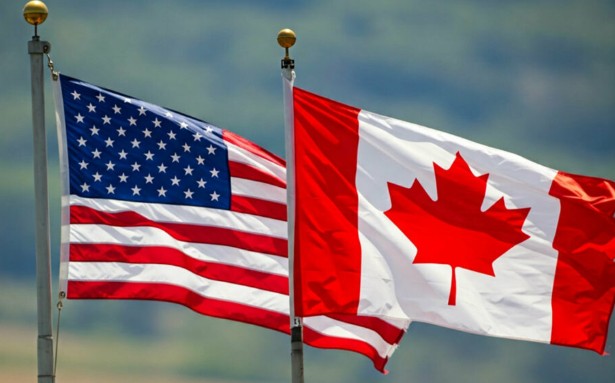
More than 90 countries affected as trade deal deadline passes; Canada, Brazil, and Mexico react to sweeping U.S. tariffs
In a dramatic turn in U.S. trade policy, President Donald Trump has announced a sweeping new tariff regime affecting over 90 countries, with Canada, Brazil, and Mexico among the most prominent targets. Effective immediately, tariffs on Canadian goods will rise from 25% to 35%, intensifying trade tensions between two of the world’s largest trading partners.
Canada Responds: “Disappointed, But Prepared”
Canadian Prime Minister Mark Carney expressed disappointment at the sudden tariff hike, saying, “We are disappointed by this move, but the majority of Canadian exports remain protected under our bilateral exemption framework.” The exemption refers to portions of the USMCA agreement, which shield select Canadian goods from trade penalties although key sectors such as lumber, dairy, and steel may still face the brunt of the impact.
Trade experts in Ottawa suggest that while Canada’s broader economy may absorb the shock, individual sectors may suffer price hikes, reduced competitiveness, and job cuts if the tariffs remain in place long-term.
Brazil and Mexico Face Diverging Paths
In Latin America, Brazil has been hit hardest. U.S. tariffs on Brazilian goods have now surged to 50%, a move likely to strain relations between the two largest economies in the Western Hemisphere. The levies target beef, soybeans, and electronics critical exports for Brazil’s economy.
In contrast, Mexico has been granted a 90-day reprieve, giving negotiators a window to update existing trade terms. Trump’s administration confirmed that discussions with Mexico remain “productive” and “constructive,” and hinted that a mutual understanding could prevent future tariff hikes.
A Global Shift in U.S. Trade Strategy
This aggressive tariff rollout marks the expiration of President Trump’s self-imposed trade deal deadline, aimed at pressuring global partners to renegotiate trade terms he has long called “unfair.” In total, over 90 countries now face increased tariffs, many of them developing economies that export agricultural and raw materials to the U.S.
“These tariffs are about asserting American strength on the global stage,” said a senior White House advisor. “We are done tolerating trade imbalances. This is a new chapter in U.S. economic diplomacy.”
Economists warn, however, that while these policies may appeal to domestic manufacturers and conservative trade hawks, they also risk retaliatory tariffs, price inflation, and diplomatic backlash in the months ahead.
What’s Next?
Analysts expect a flurry of bilateral negotiations in the coming weeks, as affected countries seek exemptions or concessions. Trade experts believe Canada’s response may include targeted countermeasures, while Brazil is reportedly preparing a formal complaint to the World Trade Organization (WTO).
As of now, the Trump administration remains firm. “America First means protecting American workers and industries,” President Trump said in a statement from the Oval Office. “We are not backing down.”