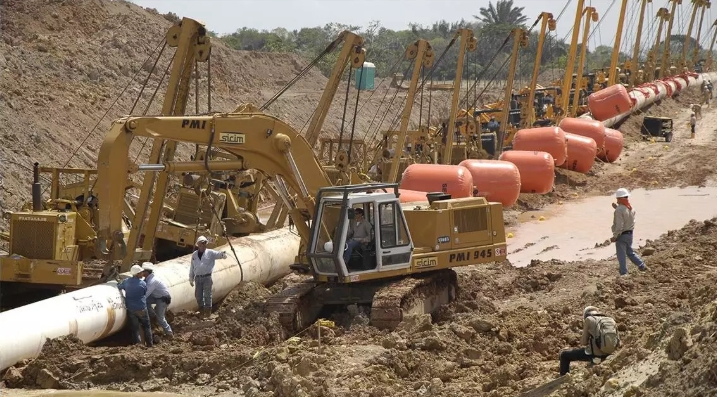
Colombia and Venezuela have agreed to repair a damaged section of the binational Antonio Ricaurte gas pipeline, a crucial energy link that has been inactive for years, as both countries seek to deepen energy cooperation and strengthen bilateral ties. The announcement marks a significant step in restoring cross‑border infrastructure that could help Colombia diversify its natural gas supply amid falling domestic production.
The decision follows technical meetings between Colombia’s Ministry of Mines and Energy, the Ministry of Environment and Sustainable Development, the National Environmental Licensing Authority (ANLA), and Venezuela’s state‑owned oil company Petróleos de Venezuela, S.A. (PDVSA). Officials agreed on a roadmap to re‑establish operations, including replacing approximately five kilometers of pipeline in Colombian territory that had been dismantled, and reactivating the flow of natural gas once regulatory and environmental clearances are obtained.
The pipeline repair was agreed ahead of a planned meeting between Colombian President Gustavo Petro and Venezuela’s interim President Delcy Rodríguez, underscoring the broader political momentum toward renewed cooperation between the neighboring states.
Antonio Ricaurte Pipeline: A Vital Energy Link
The Antonio Ricaurte gas pipeline, inaugurated in 2007, stretches about 225 kilometers between Venezuela and Colombia and was originally designed to transport gas between the two nations. It has not operated since 2019 due to dismantling and regulatory issues that halted its flow, particularly from Venezuela into Colombia.
Reactivating the pipeline is seen as a key strategy to bolster Colombia’s gas supply amid declining domestic production and increasing energy demand. Colombia’s commercial gas output dropped significantly in 2025, contributing to tighter market conditions and prompting policymakers to explore diverse sources of energy.
During the recent technical talks, officials confirmed that the pipeline’s environmental license suspended since 2019 remains valid, clearing a major hurdle for reconstruction work to begin. PDVSA will lead the physical replacement of the missing pipeline segment, with environmental oversight and compliance integral to the process.
Geopolitical and Economic Implications
The agreement reflects broader efforts to strengthen economic ties between Colombia and Venezuela following years of diplomatic isolation and policy differences. In recent months, diplomatic relations have been evolving, including initiatives to restore consular ties between Venezuela and the United States, which could indirectly facilitate regional cooperation.
For Colombia, tapping Venezuelan gas could help alleviate energy shortages, particularly as domestic production contracts and LNG imports become costlier. Economists also note the move could create opportunities for joint energy projects and enhance cross‑border economic integration.
The pipeline project also comes amid broader initiatives under a broader Memorandum of Understanding aimed at fostering binational economic and social development, which includes cooperation in trade, energy and infrastructure.
Next Steps and Timeline
While the roadmap lays out technical and regulatory steps, officials have not yet set a firm timeline for the pipeline’s full reactivation. Experts say the process will hinge on environmental licensing, engineering work, and the synchronized efforts of both governments.
If successfully completed, the reactivation could signal a new phase of energy cooperation in South America, while helping Colombia secure additional natural gas supplies and strengthening long‑term bilateral relations.
________________________________________________________________________________________________________________