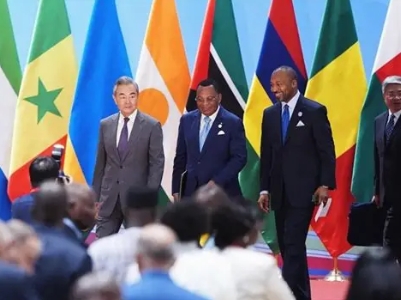
In Beijing, China has announced a sweeping new trade policy that will eliminate tariffs on imports from 53 African countries, marking a major step toward deepening economic cooperation between China and the African continent. The zero-tariff policy will take effect on May 1, 2026, and is expected to significantly expand market access for African goods entering the Chinese market.
The move, confirmed by Chinese officials and state media, applies to all African countries that maintain diplomatic relations with Beijing. The only African country excluded from the arrangement is Eswatini, which maintains diplomatic ties with Taiwan rather than China.
Expanding China-Africa Trade
The tariff removal will cover 100 percent of tariff lines, effectively allowing African exports to enter the Chinese market without import duties. Analysts say the policy could boost trade volumes between China and Africa by making African goods more competitive in the world’s second-largest economy.
Chinese authorities say the decision is part of a broader strategy to strengthen economic ties with Africa and promote shared development through expanded trade. Beijing also plans to continue negotiating economic partnership agreements and improve trade facilitation mechanisms such as the “green channel,” which is designed to streamline customs procedures for African exports.
China has already become Africa’s largest trading partner, with bilateral trade reaching hundreds of billions of dollars annually. The new policy is expected to further accelerate trade flows in sectors such as agriculture, minerals and manufactured goods.
Opportunities for African Economies
Experts believe the policy could open new opportunities for African exporters, particularly in agriculture and natural resources. Products such as coffee, cocoa, tea, cotton, minerals and manufactured goods may gain easier access to China’s vast consumer market.
The initiative also aims to help African countries diversify their exports and move up the value chain by encouraging more processed and manufactured goods to be sold abroad rather than raw materials alone.
Some economists say the move could support industrialization across Africa by providing stable access to a massive international market.
Strengthening South-South Cooperation
Chinese officials have described the zero-tariff policy as a key step in strengthening South–South cooperation, referring to collaboration among developing economies. Analysts say the decision reflects China’s broader diplomatic and economic engagement with Africa, which includes infrastructure investment, development financing and trade partnerships.
The announcement also comes amid shifting global trade dynamics, with African countries increasingly exploring new markets and partnerships as global supply chains evolve.
A Potential Game Changer
Many policymakers and business leaders across Africa have welcomed the move, describing it as a potential game changer for the continent’s exports. By removing tariffs, China is effectively opening one of the world’s largest consumer markets to African products, which could help boost employment, manufacturing and agricultural production across the region.
However, some analysts caution that African countries will need to strengthen production capacity, improve logistics, and enhance quality standards to fully benefit from the opportunity.
Looking Ahead
The policy is expected to reshape trade relations between China and Africa in the coming years. If successfully implemented, it could lead to increased exports, deeper economic integration and stronger economic growth across the continent.
With the zero-tariff framework set to begin in May 2026, African governments and businesses are now preparing to position their industries to take advantage of what many see as one of the most significant trade openings in recent China-Africa relations.
________________________________________________________________________________________________________________