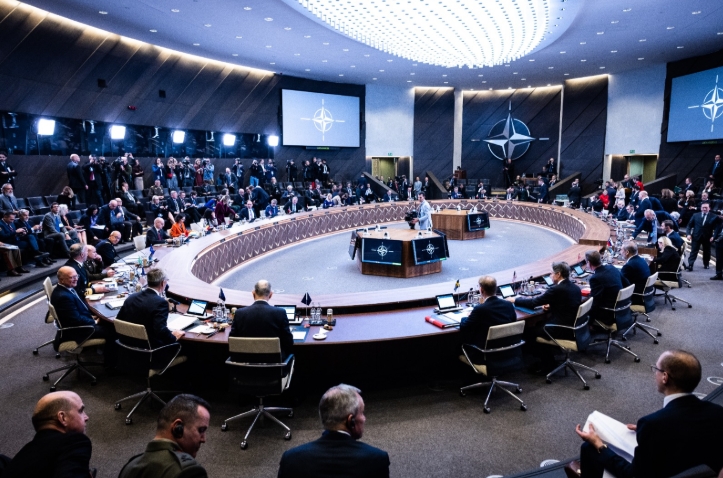
NATO leaders are set to announce major defence contracts worth tens of billions of dollars in Ankara as the alliance gathers for one of its most consequential summits in recent years, seeking to demonstrate increased military spending and greater burden-sharing in response to pressure from U.S. President Donald Trump.
The two-day summit in the Turkish capital comes at a critical moment for the 32-member alliance, which faces mounting security challenges from Russia, uncertainty over the future of U.S. military commitments in Europe, and growing demands for greater defence self-sufficiency among European allies.
Billions in New Defence Agreements
NATO Secretary General Mark Rutte is expected to unveil a series of large-scale military procurement agreements involving air defence systems, surveillance aircraft, drones, submarines, and naval cooperation initiatives.
Among the major announcements expected:
- A Dutch defence package worth more than €3 billion, including investments in air defence and naval capabilities.
- Canadian submarine contracts with German shipbuilder TKMS.
- NATO plans to modernize its airborne surveillance fleet by purchasing new Saab GlobalEye aircraft to replace ageing AWACS planes.
- Expansion of multinational fleets of transport and refuelling aircraft, including the A400M and A330 MRTT programmes.
- New investments in drone technology, missile systems, and defence supply chains.
Alliance officials say the announcements are intended to show that NATO’s commitment to increased defence spending is translating into real military capabilities.
Trump’s Push for Greater Burden Sharing
President Trump has repeatedly argued that European allies should spend significantly more on defence and assume a greater share of responsibility for the continent’s security.
According to NATO estimates, European allies and Canada increased defence spending by approximately 20% in 2025, bringing total expenditures to more than $570 billion. The increase follows commitments made at previous NATO summits to gradually raise defence budgets toward the alliance’s new spending targets.
Trump has continued to urge NATO members to move toward spending 5% of gross domestic product on defence and security by 2035, a significant increase from the alliance’s long-standing 2% benchmark.
The U.S. president is expected to use the summit to press allies for concrete timelines and additional commitments while reaffirming Washington’s support for the alliance’s collective defence principle under Article 5 of the NATO treaty.
Ukraine War Remains Central Issue
The war in Ukraine remains a dominant topic at the summit.
NATO leaders are preparing to reaffirm their support for Kyiv through a military assistance package estimated at €70 billion, with much of the funding already pledged by alliance members. The package is intended to strengthen Ukraine’s ability to defend itself against ongoing Russian military operations and to demonstrate continued Western unity.
Ukrainian President Volodymyr Zelenskyy is also expected to hold discussions with several NATO leaders on the sidelines of the summit regarding future military support and security guarantees.
Turkey Seeks Closer Defence Cooperation
The summit is also expected to provide an opportunity for discussions between President Trump and Turkish President Recep Tayyip Erdoğan on bilateral defence issues.
One of the key topics under discussion is the possibility of Turkey rejoining the U.S.-led F-35 fighter jet programme, from which Ankara was removed after purchasing Russia’s S-400 missile defence system in 2019. While no formal decision is expected during the summit, officials say the issue could feature prominently in bilateral talks.
Turkey is hosting its second NATO summit after previously welcoming alliance leaders to Istanbul in 2004, underscoring Ankara’s strategic importance within the alliance despite occasional tensions with several Western partners.
A Defining Moment for the Alliance
Analysts say the Ankara summit represents a defining moment for NATO as it seeks to adapt to a changing security environment and respond to concerns about the future of transatlantic cooperation.
The alliance faces growing pressure to strengthen its military capabilities, modernize its defence industries, and prepare for long-term competition with both Russia and emerging global threats. The new arms deals are designed not only to boost military readiness but also to expand defence industrial cooperation and create economic opportunities across member states.
Despite occasional disagreements over defence spending and strategic priorities, NATO leaders are hoping the summit will send a clear message of unity and resolve.
As President Trump joins allied leaders in Ankara, the alliance’s ability to convert financial commitments into tangible military capabilities will be closely watched by both its partners and its adversaries, potentially shaping the future of European and transatlantic security for years to come.
________________________________________________________________________________________________________________