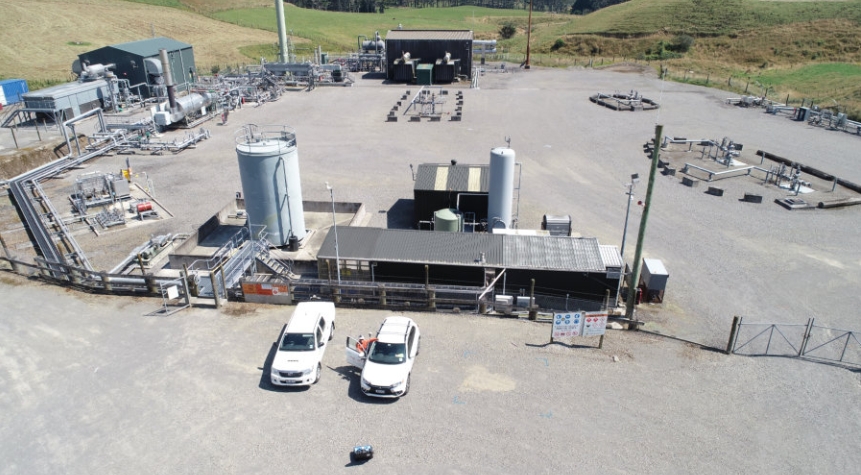
The New Zealand government has announced a significant expansion of the country’s strategic fuel reserves as part of a broader effort to improve energy security and protect the nation against global supply disruptions, geopolitical tensions, and natural disasters.
The initiative comes amid growing concerns over the vulnerability of international energy supply chains and follows several years of heightened volatility in global oil markets caused by conflicts, shipping disruptions, and extreme weather events.
Prime Minister Christopher Luxon and Energy Minister Simeon Brown said the expansion of strategic fuel storage is designed to ensure New Zealand has sufficient reserves of petrol, diesel, and jet fuel to maintain essential services during emergencies and supply shocks.
Strengthening National Energy Resilience
Under the new plan, New Zealand will increase its emergency fuel holdings both domestically and through international storage arrangements. Officials said the government intends to significantly boost reserves over the coming years to meet rising energy security requirements and improve preparedness for potential disruptions.
The expanded storage strategy includes:
- Increasing onshore fuel reserves across New Zealand.
- Enhancing fuel storage infrastructure at key ports and distribution hubs.
- Expanding agreements for offshore emergency stockpiles.
- Improving fuel supply contingency planning for critical sectors, including healthcare, transportation, and emergency services.
- Strengthening cooperation with international energy partners.
Government officials said the move aims to provide greater resilience in the event of supply interruptions caused by geopolitical conflicts, cyberattacks, shipping disruptions, or natural disasters.
Lessons From Global Energy Crises
The decision follows several major global events that exposed vulnerabilities in energy markets, including the Russia-Ukraine war, disruptions in the Red Sea shipping corridor, and fluctuating oil prices that have affected fuel-importing nations around the world.
As an island nation heavily dependent on imported refined petroleum products, New Zealand remains particularly exposed to external supply shocks.
Energy experts have long argued that the country needs larger strategic fuel reserves after the closure of the Marsden Point oil refinery in 2022 increased reliance on imported fuels.
The government said the latest measures are intended to address these concerns and ensure that essential industries and services can continue operating during prolonged disruptions.
Supporting Economic Stability
Officials emphasized that expanding strategic fuel storage is not only a national security measure but also an economic safeguard.
Fuel shortages or significant supply disruptions can lead to sharp increases in transportation costs, inflationary pressures, and interruptions to business activity. By maintaining larger reserves, authorities hope to cushion the economy against sudden market shocks and reduce the risk of supply shortages.
Business groups and industry representatives have broadly welcomed the initiative, saying that greater energy security will improve confidence among investors and reduce risks for industries dependent on stable fuel supplies.
International Trend Toward Energy Security
New Zealand’s move mirrors similar actions taken by several countries in recent years.
Governments across Asia, Europe, and North America have expanded strategic petroleum reserves and invested in energy infrastructure as concerns over geopolitical instability and supply-chain disruptions have intensified.
The International Energy Agency (IEA) has repeatedly urged member countries to maintain adequate emergency fuel reserves to ensure resilience during periods of market instability.
Analysts say New Zealand’s latest decision reflects a broader global recognition that energy security has become an increasingly important component of national security and economic planning.
Balancing Immediate Needs and Long-Term Transition
While expanding fuel reserves, New Zealand continues to pursue its long-term transition toward cleaner energy sources and reduced carbon emissions.
Government officials stressed that the strategic fuel storage initiative does not alter the country’s commitment to renewable energy development, electrification, and climate goals. Instead, they described the policy as a practical measure designed to ensure energy reliability during the transition to a lower-carbon economy.
Experts note that even as countries accelerate investments in renewable energy, petroleum products remain essential for transportation, aviation, emergency services, and many industrial sectors.
Preparing for an Uncertain Future
The expansion of New Zealand’s strategic fuel storage highlights the growing importance governments are placing on preparedness in an increasingly uncertain global environment.
With geopolitical tensions, climate-related disruptions, and supply-chain vulnerabilities continuing to challenge energy markets, officials believe larger emergency fuel reserves will provide the country with greater flexibility and resilience in times of crisis.
The initiative marks one of New Zealand’s most significant energy security measures in recent years and underscores the government’s determination to safeguard the nation against future disruptions while maintaining economic stability and national preparedness.
________________________________________________________________________________________________________________