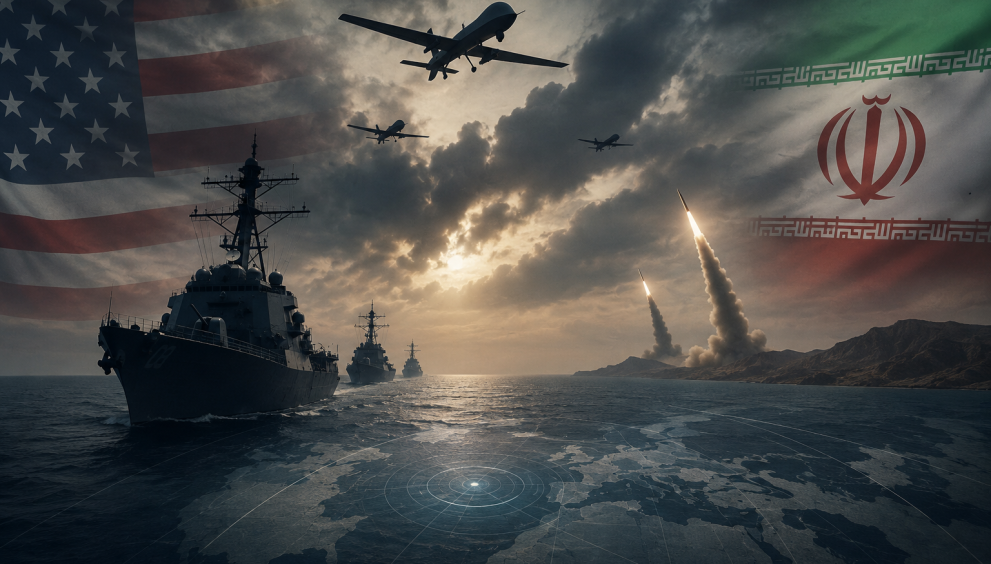
Fresh tensions erupted in the Middle East on Tuesday after the United States carried out new military strikes in southern Iran, while diplomatic negotiations aimed at ending the months-long conflict appeared to stall.
According to U.S. officials, the strikes targeted missile launch sites and boats allegedly attempting to lay naval mines near the Strait of Hormuz, one of the world’s most critical oil shipping routes. The U.S. military described the operation as a “self-defense” action intended to protect American forces and international maritime traffic in the region.
Iran strongly condemned the attacks, accusing Washington of violating the fragile ceasefire that has been in place since April. Iranian officials warned that Tehran reserves the right to respond to what it called “acts of aggression” against its territory and forces.
Strikes Focused on Hormuz Region
The latest strikes were reportedly concentrated around Iran’s southern coastal areas, including parts of Hormozgan province near the Strait of Hormuz. U.S. Central Command said the operation targeted military assets it claimed posed an “imminent threat” to American ships and aircraft operating in the Gulf.
The Strait of Hormuz remains at the center of the crisis. The narrow waterway handles a significant portion of global oil and liquefied natural gas shipments, and disruptions there have already caused spikes in global energy prices over recent months.
Iran has repeatedly threatened to restrict or control passage through the strait during the conflict, while the United States has expanded naval operations in the area to protect shipping lanes.
Peace Talks Face New Obstacles
The military escalation comes as negotiations between Washington and Tehran continue in Qatar and through regional mediators, including Pakistan. Officials from both sides had recently signaled progress toward a possible memorandum aimed at ending hostilities and reopening commercial shipping routes.
However, major disagreements remain unresolved.
One of the biggest sticking points is Iran’s uranium enrichment program. The United States has insisted that Tehran must significantly curb or eliminate enrichment activities as part of any long-term agreement, while Iranian leaders continue to reject demands they consider violations of national sovereignty.
Iran is also reportedly demanding the release of billions of dollars in frozen assets and relief from economic sanctions before committing to broader concessions.
Trump Administration Signals Mixed Approach
President Donald Trump has continued to publicly express hope for a negotiated settlement while simultaneously authorizing military pressure against Iran.
U.S. Secretary of State Marco Rubio said diplomatic discussions were still ongoing and suggested a deal could potentially be reached within days if both sides compromise.
At the same time, the administration has maintained a firm military posture, warning Iran against further threats to international shipping or American personnel in the region.
Regional and Global Concerns Grow
The renewed strikes have intensified fears of a wider regional conflict involving other Middle Eastern actors. Analysts warn that continued escalation could threaten oil exports, global trade, and stability across the Gulf region.
Energy markets reacted cautiously to the latest developments, with oil prices rising amid concerns that fighting around the Strait of Hormuz could further disrupt supplies.
Several countries, including China and Gulf states, have urged both Washington and Tehran to honor ceasefire commitments and return fully to negotiations.
While diplomats continue to push for a breakthrough, the latest exchange of strikes highlights how fragile the current ceasefire remains and how quickly the situation could deteriorate if talks collapse entirely.
_______________________________________________________________________________________________________________