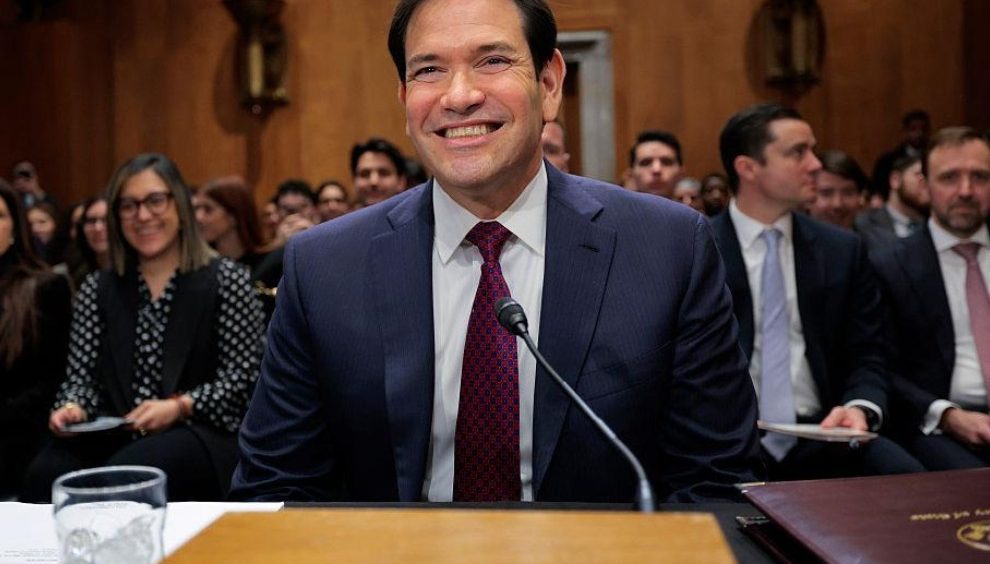
Rubio Raises Concerns About AI’s Long-Term Impact
Marco Rubio has warned that the rapid development of artificial intelligence could become a major political and social challenge capable of destabilizing societies around the world.
Speaking before the Senate Foreign Relations Committee on June 2, 2026, the U.S. Secretary of State offered a measured assessment of the opportunities and risks associated with AI technology.
Economic Benefits and Social Risks
Rubio acknowledged that artificial intelligence has the potential to:
- Drive economic growth
- Increase productivity
- Accelerate innovation
- Enhance competitiveness across industries
However, he cautioned that the technology could also create significant disruptions if governments and societies fail to adapt effectively.
Concerns Over Employment
A key focus of Rubio’s remarks was the potential impact of AI on jobs and labor markets.
He warned that:
- Automation could replace large numbers of workers in certain sectors.
- Structural job losses may occur faster than economies can adjust.
- Policymakers must prepare for significant workforce transitions.
Experts have increasingly debated how governments can balance technological advancement with employment protection and workforce retraining.
Geopolitical Competition
Rubio also highlighted the growing strategic competition surrounding AI development.
He suggested that artificial intelligence is becoming:
- A critical national security issue
- A key driver of economic power
- An important factor in global influence and competitiveness
Countries around the world are investing heavily in AI research and development, viewing the technology as central to future economic and military capabilities.
Global Debate Intensifies
Rubio’s comments add to a growing international discussion involving political leaders, technology experts, and policymakers about:
- AI regulation
- Ethical safeguards
- Economic disruption
- National security implications
- Democratic resilience
Outlook
As artificial intelligence continues to evolve, governments worldwide are expected to face increasing pressure to develop policies that maximize the benefits of AI while addressing concerns about employment, social stability, and geopolitical competition.