U.S. President Donald Trump has reaffirmed his administration’s opposition to the creation of a Central Bank Digital Currency (CBDC), maintaining that a government-issued digital dollar could threaten financial privacy, national sovereignty, and the stability of the U.S. financial system.
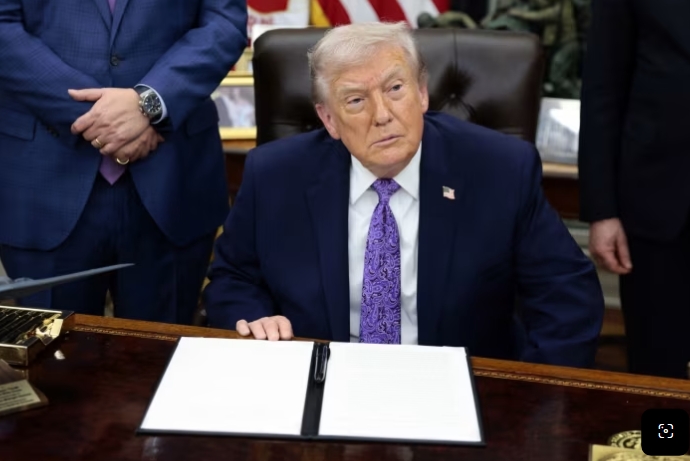
Trump’s position aligns with his January 2025 executive order, which prohibits federal agencies from establishing, issuing, or promoting a U.S. CBDC. The order also directs government departments to halt any ongoing initiatives related to the development of a digital dollar while promoting the growth of private-sector digital assets and dollar-backed stablecoins.
The White House has argued that CBDCs could give governments excessive control over financial transactions and pose risks to individual privacy. Instead, the administration has emphasized support for blockchain innovation, cryptocurrency development, and the expansion of lawful dollar-backed stablecoins as part of a broader strategy to strengthen U.S. leadership in digital finance.
Trump’s stance has drawn both support and criticism. Supporters say banning a CBDC protects Americans from government overreach and encourages private-sector innovation. Critics, however, warn that rejecting a digital dollar could leave the United States behind as other major economies, including China and members of the European Union, continue to advance their own central bank digital currency projects.
The administration has also established a President’s Working Group on Digital Asset Markets to develop a regulatory framework for cryptocurrencies and digital assets. The group is expected to provide recommendations aimed at fostering innovation while maintaining financial stability and consumer protection.
As the global race to modernize payment systems continues, Trump’s renewed opposition to a CBDC underscores a growing divide between the United States and other nations pursuing state-backed digital currencies, while signaling Washington’s preference for market-driven digital financial technologies.