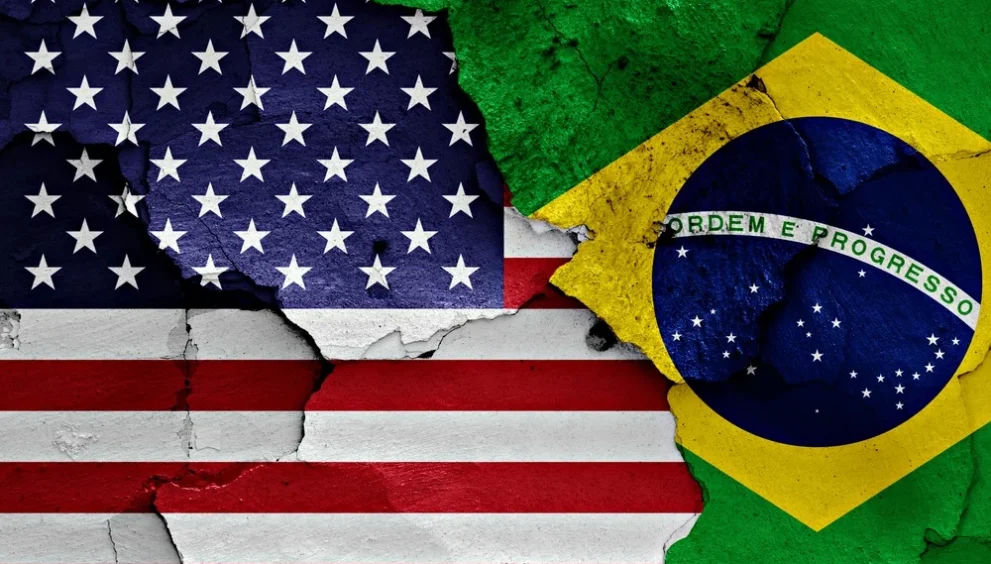
Brazil’s upcoming presidential runoff is emerging as a pivotal moment for the country’s economic relationship with the United States, with trade tariffs, access to critical minerals and investment in strategic industries at stake.
The October 25, 2026, runoff will see President Luiz Inácio Lula da Silva face conservative Senator Flávio Bolsonaro, following a closely watched first round that placed Brazil’s future economic and foreign policy direction in the spotlight.
Trade Tensions and Tariffs
The election comes amid ongoing trade tensions between Brasília and Washington. The United States has imposed additional tariffs on selected Brazilian products, prompting the Lula administration to pursue negotiations aimed at easing the restrictions and restoring more favourable access to the American market.
In late September, officials from both countries agreed to establish a working group to discuss a potential trade agreement covering tariff and non-tariff issues. Brazil is seeking broader tariff reductions as negotiations continue.
Critical Minerals in Focus
Brazil’s substantial mineral resources are another major consideration in the relationship. Access to critical minerals could create opportunities for investment, industrial development and supply-chain cooperation, particularly as major economies compete to secure materials essential to advanced technology and energy industries.
Brazil has indicated that it is open to investment in its mineral sector, provided opportunities support value-added processing and broader economic benefits.
Election Could Shift Economic Priorities
The contest between Lula and Flávio Bolsonaro could influence Brazil’s approach to trade negotiations, international partnerships and economic policy. Lula has pursued engagement with Washington while defending Brazil’s economic sovereignty, whereas Bolsonaro’s campaign has raised expectations among some investors of a more market-oriented policy direction.
The outcome could therefore shape not only bilateral trade relations but also Brazil’s role in global supply chains and its ability to attract investment in strategic industries.
As the runoff approaches, businesses and investors will be watching closely for signs of how the next phase of US-Brazil relations will unfold, particularly on tariffs, critical minerals and long-term economic cooperation.
________________________________________________________________________________________________________________