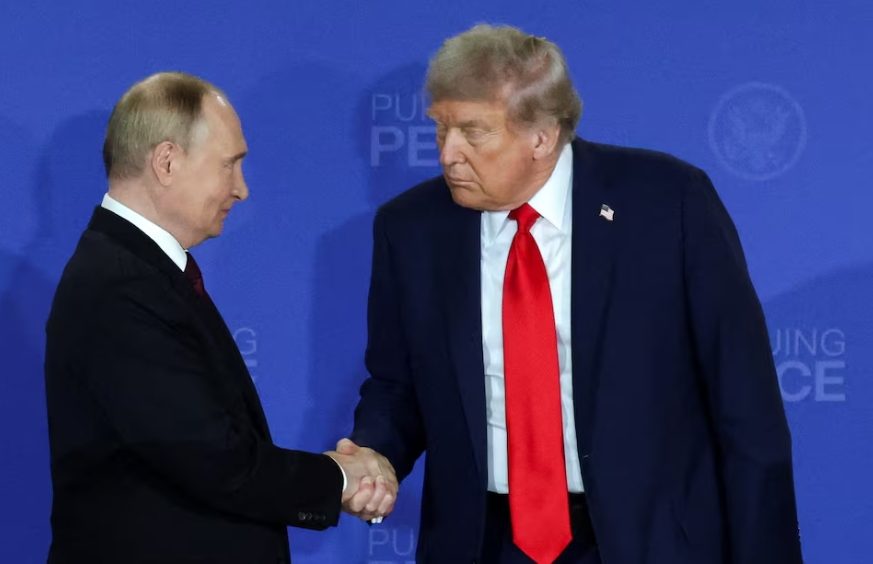
US President Donald Trump has waived major Russia-related sanctions, restrictions and tariffs shortly before they were due to take effect under a new law designed to increase economic pressure on Moscow over its ongoing war against Ukraine.
The decision, announced in an executive order released by the White House on Friday, October 16, allows the administration to suspend key provisions of the Lindsey O. Graham Sanctioning Russia and Iran Act of 2026, which Trump signed into law in September.
Trump justified the move by declaring that suspending the measures was in the national interest of the United States. The waiver will remain in effect until he or senior administration officials determine that further action is appropriate.
New Law Targeted Russia and Its Oil Buyers
The legislation was designed to intensify pressure on Russia following its full-scale invasion of Ukraine in 2022. It included provisions allowing tariffs of up to 100% on goods from major purchasers of Russian oil and gas, as well as countries accused of helping Moscow evade existing sanctions.
The measures were intended to discourage countries from continuing to purchase Russian energy and to limit the revenue available to finance Russia’s war effort.
Major buyers of Russian oil, including China and India, had expressed concerns about the proposed penalties. India warned that the measures could affect its relationship with Washington, while Beijing opposed what it described as the extraterritorial application of US restrictions.
Energy Prices and Midterm Elections in Focus
Trump’s decision comes as the United States faces pressure over elevated energy costs, which have been exacerbated by the ongoing US-Israeli war involving Iran. Analysts have warned that additional trade penalties against major Russian oil buyers could place further upward pressure on oil prices.
The move also comes weeks before the US midterm elections, when Trump’s Republican Party is seeking to maintain its narrow control of Congress.
The administration has recently taken steps to ease restrictions on Russian diesel exports in an effort to increase fuel supplies and help stabilise global energy markets. Those decisions have drawn criticism from lawmakers who argue that easing sanctions could provide Moscow with additional revenue.
Critics Question Washington’s Position on Ukraine
The waiver has sparked criticism from opponents who believe the United States is weakening economic pressure on Russian President Vladimir Putin while Ukraine continues to defend itself against Russian military aggression.
US Representative Don Beyer, a Virginia Democrat, accused Trump of undermining Ukraine and disregarding the intent of the legislation.
The decision also comes amid tensions between Washington and Ukrainian President Volodymyr Zelenskyy, whom Trump has publicly criticised while pushing for an end to the war.
What Happens Next?
Trump retains the authority to reconsider the waiver and implement additional measures if his administration determines that doing so is appropriate. The immediate suspension, however, means that the anticipated penalties will not automatically take effect as originally expected.
The decision highlights the challenge facing Washington as it seeks to balance pressure on Moscow, support for Ukraine, relations with major energy-importing countries and domestic concerns over fuel prices.
For now, the waiver signals a shift in the US approach to Russia-related economic restrictions, although its longer-term implications for the war in Ukraine and global energy markets remain uncertain.
________________________________________________________________________________________________________________