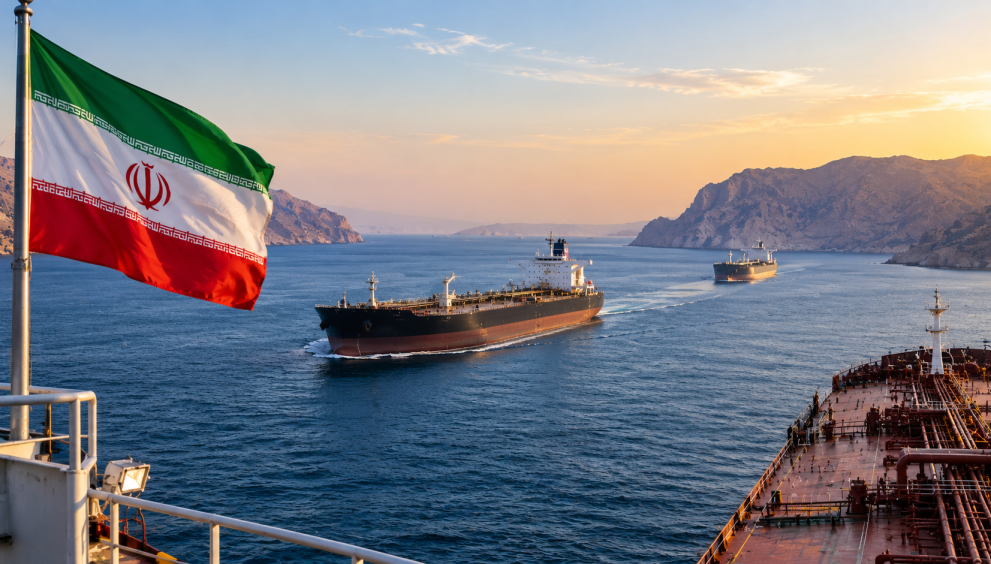
The United States military says commercial shipping through the strategically important Strait of Hormuz has significantly recovered, while Iran’s oil exports have been brought to a standstill under Washington’s ongoing maritime blockade.
US Central Command (CENTCOM) Commander Admiral Brad Cooper says American forces have helped restore the movement of commercial vessels through the critical waterway, enabling Gulf countries to export more than 1.5 billion barrels of oil since June.
According to CENTCOM, more than 3,000 commercial vessels have successfully transited the strait with US military support over the past six months, with more than 95% of ships navigating the waterway safely in recent months.
Cooper has also maintained that the primary international shipping routes have been cleared of Iranian sea mines and remain free of mines, allowing commercial traffic to resume despite continuing regional hostilities.
However, the US military says Iran has been unable to export oil by sea because of the American blockade. Cooper previously declared that Iran had exported zero barrels of oil, describing the restrictions as part of Washington’s strategy to cut off Tehran’s principal source of energy revenue and limit its ability to finance military operations.
The developments represent a significant shift in the battle over control of the Strait of Hormuz, a vital maritime passage connecting the Persian Gulf to international shipping routes. Before the conflict, approximately one-fifth of the world’s petroleum consumption passed through the waterway.
Despite the reported recovery, maritime security concerns remain high. Commercial vessels have continued to face attacks, and shipping companies remain cautious about sending privately operated tankers through the strait. Reports indicate that at least 25 ships were attacked in October, highlighting the continuing risks to international shipping.
The reopening of the shipping corridor has helped restore Gulf oil exports towards pre-war levels, easing some of the pressure on global energy supplies. However, oil prices remain elevated amid uncertainty over the conflict and the sustainability of the US-led security operation.
Washington continues to work with regional partners and the shipping industry to maintain freedom of navigation, while tensions with Tehran remain unresolved.
The situation leaves the Strait of Hormuz at the centre of a wider geopolitical and economic confrontation, with the security of global energy supplies depending heavily on whether commercial shipping can continue operating without further disruption.
________________________________________________________________________________________________________________