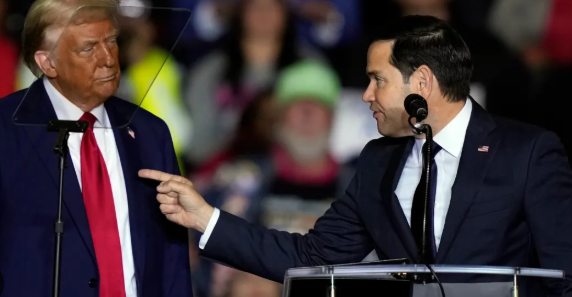
U.S. Secretary of State Marco Rubio has defended President Donald Trump’s authority to continue directing American foreign policy, arguing that midterm election results do not change the presidential mandate voters gave Trump for his four-year term.
U.S. Secretary of State Marco Rubio has reaffirmed that President Donald Trump will remain in charge of the country’s foreign policy despite the Democratic Party’s gains in the 2026 midterm elections.
The remarks come amid growing political debate over the implications of a possible Democratic takeover of Congress. While control of the House of Representatives and Senate can significantly influence domestic legislation, government spending and congressional oversight, the president retains broad constitutional authority over the executive branch and the conduct of foreign policy.
Rubio’s position is that the midterm elections do not amount to a change in presidential leadership. Trump was elected to serve a four-year term, and his administration intends to continue implementing its foreign policy agenda during the remaining two years.
The administration’s position also reinforces its commitment to the president’s America First approach, which places emphasis on national interests, border security, economic priorities and a foreign policy centred on American strategic objectives.
Congress and the President’s Foreign Policy Powers
Although the president directs the executive branch and serves as commander-in-chief, Congress retains important constitutional powers that can influence foreign policy. These include approving funding, confirming certain senior appointments, regulating foreign commerce and exercising oversight of government decisions.
A Democratic-controlled Congress could therefore increase scrutiny of the administration’s international decisions and create challenges for some of its legislative priorities. However, a change in congressional control does not automatically transfer presidential foreign policy authority to the opposition party.
Rubio’s comments underline the administration’s intention to maintain its current direction on international affairs, including its approach to global security, diplomatic relations and ongoing conflicts.
For the Trump administration, the central message is that the midterm elections may reshape the balance of power in Congress, but they do not end the president’s four-year mandate.