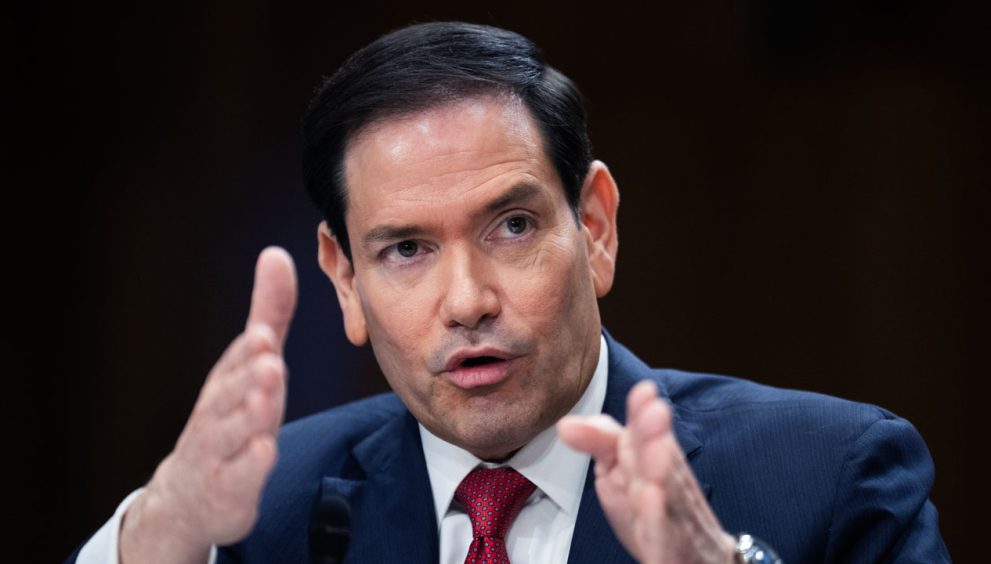
US Secretary of State Marco Rubio has defended President Donald Trump’s authority to direct American foreign policy, insisting that the outcome of the midterm elections will not prevent the administration from pursuing its diplomatic, economic and national security priorities.
Rubio argued that Trump was elected by the American people to lead the country and oversee its international relations, emphasising that the president’s executive authority over foreign policy remains intact despite changes in the balance of power in Congress.
His remarks reinforce the administration’s position that its America First agenda will continue to guide US engagement with international partners, including decisions involving trade, diplomacy, military cooperation and national security.
Congress Retains Influence Over Foreign Policy
Although Rubio maintains that the executive branch has the leading role in foreign policy, Congress still holds significant constitutional powers, particularly over government spending, military funding, legislation and oversight.
The Democratic victories in the November 3 midterm elections have handed the party control of both chambers of Congress, potentially giving lawmakers greater opportunities to scrutinise Trump’s foreign policy decisions.
Democratic lawmakers have already indicated plans to use congressional oversight and budgetary powers to challenge aspects of the administration’s approach to Iran, military spending, Ukraine and foreign assistance.
The political shift could therefore create tensions between the White House and Congress, particularly over the ongoing conflict with Iran and the administration’s broader national security strategy.
Rubio’s comments signal that the Trump administration intends to maintain its existing foreign policy direction despite the changing political landscape in Washington.
________________________________________________________________________________________________________________