

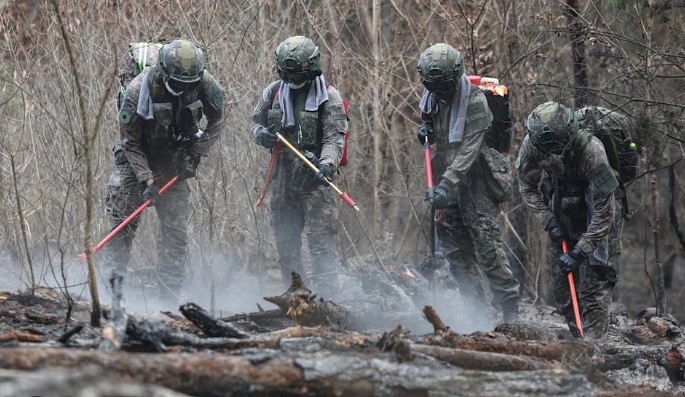
Wildfires in South Korea have become the largest and deadliest on record, leaving a trail of devastation across the country. The fires have burned through vast expanses of forest and tragically claimed the lives of 27 people, with officials now describing the disaster as the worst wildfire crisis in the nation’s history.
Deadly Blaze Ravages Communities
Over the weekend, more than a dozen wildfires erupted across South Korea’s southeastern regions, swiftly consuming hundreds of hectares of forest and threatening nearby communities. The fires, fueled by strong winds and dry conditions, spread quickly, forcing around 37,000 residents to evacuate their homes in a desperate attempt to escape the flames.
The fires have been relentless, and despite efforts from fire crews and emergency responders, many areas remain engulfed in flames. As of today, officials report that more than 100,000 acres of land have been scorched, and the fires show no sign of slowing down.
Record-Breaking Destruction
This latest disaster marks a tragic milestone in South Korea’s battle with wildfires. The death toll of 27 is higher than any previous wildfire-related fatalities in the country, and authorities are bracing for the possibility that the number could rise as recovery and search operations continue.
“These fires are unlike anything we’ve seen before in terms of scale and intensity,” said Han Seung-jo, the head of the National Fire Agency. “We are doing everything we can, but the situation remains dire.”
The fires have destroyed homes, businesses, and infrastructure, leaving entire villages in ruins. Local authorities are urging residents to stay alert as unpredictable weather conditions and the rapidly spreading fires continue to pose a significant threat.
A Desperate Fight Against Nature’s Fury
South Korean President Yoon Suk-yeol has declared a national emergency and mobilized all available resources to combat the fires. Military units, firefighters, and thousands of volunteers are working tirelessly to contain the blazes, but strong winds and a lack of rainfall are making their efforts difficult.
The government has also sought international assistance, with firefighting planes from neighboring countries joining the battle. Despite these efforts, the sheer scale of the fires and the ongoing threat to human life and property have raised concerns about the nation’s preparedness for future disasters.
Environmental and Economic Impact
Beyond the human toll, the fires have caused extensive environmental damage. Large swathes of South Korea’s forests have been destroyed, endangering wildlife habitats and further exacerbating concerns over climate change and environmental sustainability.
In addition to the environmental impact, the fires have disrupted daily life and the economy in the affected areas. Thousands of businesses have been forced to close, and agricultural crops have been devastated by the flames, leading to concerns over the long-term economic ramifications for communities already reeling from the damage.
Authorities Focus on Recovery Efforts
As the fires continue to rage, South Korean authorities are focusing on recovery and relief efforts. Shelters have been set up to house the displaced, and medical teams are providing care to those affected by the fires, many of whom are suffering from smoke inhalation and burns.
“We will rebuild, but right now our priority is saving lives and protecting our citizens,” President Yoon said in a televised address to the nation. “We stand united in this crisis, and together, we will overcome it.”
The Road Ahead
As the fire continues to threaten the southeast of the country, it is unclear when containment will be achieved. With the summer season approaching and conditions expected to remain dry, South Korea faces a challenging road ahead in addressing the wildfires and their aftermath.
In the wake of this unprecedented disaster, there will likely be calls for increased investment in fire prevention and climate change adaptation strategies. For now, the country is focused on the immediate task of containing the fires and caring for the victims, as the full scope of the damage becomes clearer in the coming days.

