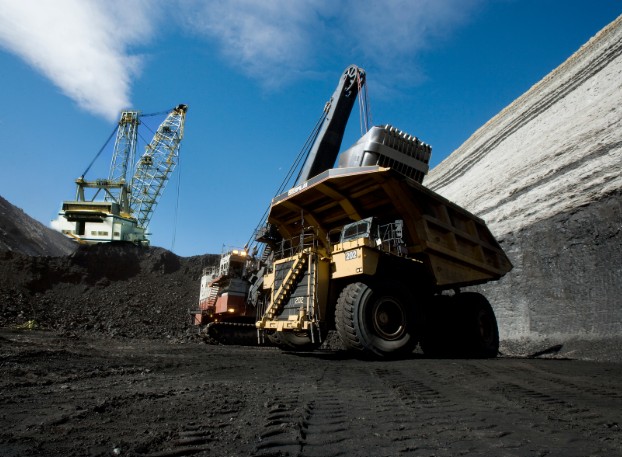
In a bold move aimed at revitalizing the U.S. coal industry, President Donald Trump signed a series of executive orders at the White House, designed to extend the lifespan of coal plants, lift mining restrictions, and provide exemptions from environmental emissions regulations. The sweeping actions are part of the Trump administration’s plan to bolster the coal sector and reassert its role as a key player in the nation’s energy future.
The executive orders will allow coal plants to continue operating longer than previously anticipated, despite growing competition from natural gas and renewable energy sources. Additionally, the new measures include lifting restrictions on coal mining, aimed at increasing production and making it easier to access reserves across the country. The Trump administration is also focused on expanding coal leasing and promoting coal exports, as part of an effort to meet the rising demand for electricity, particularly as industries like artificial intelligence (AI) and data centers place additional strain on energy grids.
President Trump’s commitment to the coal industry comes at a time when natural gas and renewables, such as wind and solar, have been on the rise, and many power plants have already transitioned away from coal in favor of cleaner energy alternatives. Despite these trends, Trump has continued to defend coal as an important source of energy, emphasizing its reliability and affordability.
Addressing Critics and Supporters
In a statement following the signing, President Trump stressed the importance of maintaining coal as a vital energy source for the United States, particularly as electricity demands grow. He highlighted that coal is a stable, domestic resource that plays a critical role in national energy security.
Critics of the executive orders, however, argue that the move will further delay the U.S.’s transition to cleaner, more sustainable energy sources. Environmental groups have long pushed for reducing coal reliance due to its significant contribution to greenhouse gas emissions and air pollution. The debate over coal versus cleaner energy continues to be a deeply polarizing issue in American politics.
The Broader Energy Landscape
Trump’s decision to back the coal industry is part of a broader agenda to prioritize domestic energy production and reduce dependence on foreign energy sources. The move also aligns with the administration’s goal of providing economic opportunities in areas where coal has traditionally been a dominant industry, especially in Appalachia and parts of the Midwest.
As the world increasingly shifts toward cleaner, renewable sources of energy, the U.S. faces a challenge in balancing economic, environmental, and technological factors. The Trump administration’s efforts to reinvigorate coal may face long-term hurdles, particularly as the global energy landscape continues to evolve.
Conclusion
The signing of these executive orders marks a clear commitment by President Trump to support the coal industry amid growing challenges from natural gas and renewables. While critics may argue that this is a step backward for climate policy, the executive orders highlight a broader debate on how best to secure energy needs, create jobs, and manage environmental concerns in an ever-changing global market.
As the coal industry continues to evolve, the real impact of these measures will be seen in the years ahead as they unfold across power plants, coal mines, and energy markets nationwide.