Germany’s flagship carrier Lufthansa said it will continue operating scheduled flights to Mexico despite mounting concerns over drug cartel violence in parts of the country, stressing that passenger safety remains its top priority and that routes are being closely monitored in coordination with aviation and security authorities.
The airline’s reassurance comes as several foreign governments have updated travel advisories for certain Mexican states following high-profile clashes between security forces and organized crime groups. While much of the violence is concentrated in specific regions, images of burning vehicles and armed convoys have heightened international attention and prompted questions from travelers about flight operations.
Airline affirms commitment to route
In a statement, Lufthansa said its services to Mexico remain unchanged and that it is maintaining regular connections between Germany and major Mexican hubs. The carrier emphasized that it evaluates security developments on a continuous basis and coordinates with local authorities, airport operators and international aviation bodies.
“Safety is always our highest priority,” a spokesperson said, adding that flight crews are regularly briefed and that contingency plans are in place should conditions warrant operational adjustments.
Lufthansa currently serves Mexico primarily through long-haul flights connecting Frankfurt with Mexico City and seasonally, other destinations. The airline said bookings remain stable, though it acknowledged that some passengers have inquired about flexibility options amid media coverage of violence.
Violence concentrated in specific areas
Mexico has grappled with organized crime violence for more than a decade, with powerful cartels competing for territory and trafficking routes. However, security analysts note that incidents are often localized, with tourist zones and major international airports typically operating under heightened protection.
Recent clashes in northern and western states have drawn particular scrutiny. Security operations targeting cartel leaders have, at times, triggered retaliatory blockades and sporadic gunfights. Authorities have deployed additional federal forces in affected regions to stabilize conditions.
Mexico’s government maintains that airports serving international routes are secure and that commercial aviation operations have not been directly targeted.
Tourism sector resilient but cautious
Tourism is a pillar of Mexico’s economy, contributing significantly to GDP and employment. International visitors continue to arrive in strong numbers, particularly to destinations such as Cancun, Los Cabos, and Mexico City.
Industry groups say that while travel advisories can influence perception, airlines typically base operational decisions on direct risk assessments rather than headlines alone. For international carriers like Lufthansa, Mexico remains an important long-haul market connecting Europe with Latin America.
Aviation analysts point out that suspending service to a major destination is a significant decision, often reserved for situations involving direct threats to aviation infrastructure or formal airspace restrictions.
“Airlines evaluate very specific risk indicators including airport security, air traffic control stability and intelligence assessments,” said one European aviation security consultant. “Generalized security concerns in a country do not automatically translate into aviation risk.”
Passenger concerns and flexibility
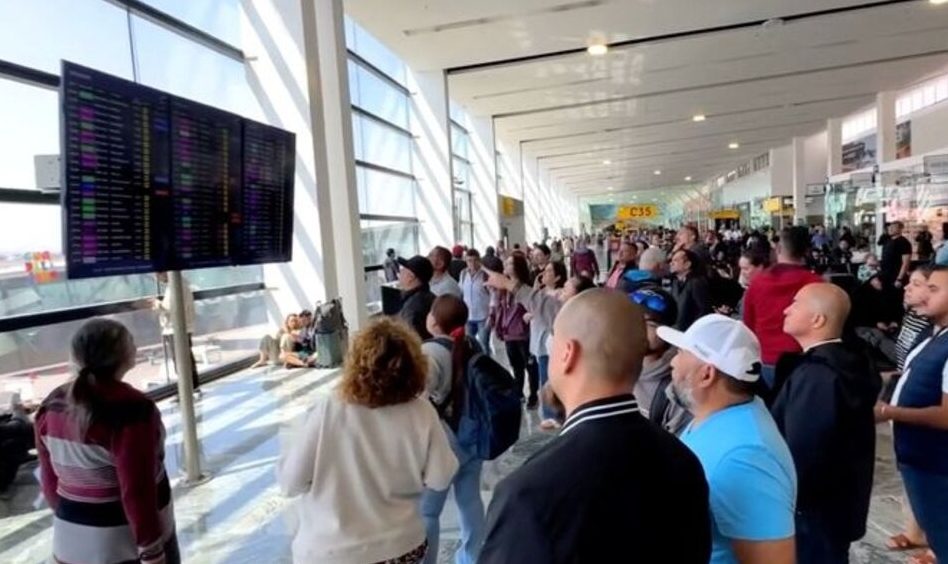
Travel agencies report a modest uptick in customer inquiries about travel insurance and rebooking policies for Mexico-bound trips. Lufthansa said it is offering standard fare flexibility in line with its policies but has not introduced extraordinary waivers.
Some corporate travelers are also reassessing itineraries depending on the location of business activities within Mexico. Companies with operations in higher-risk states have implemented additional security protocols for employees.
Government advisories and coordination
Germany’s foreign office, like several European and North American counterparts, advises travelers to exercise increased caution in certain Mexican regions while noting that popular tourist areas generally remain accessible.
Airlines typically consult such advisories but also rely on independent security evaluations. Lufthansa said it remains in close contact with both German and Mexican authorities and will adjust operations if official guidance changes.
Mexico’s federal government has repeatedly emphasized that violence linked to organized crime is being addressed through ongoing security operations and that the country remains open for tourism and business.
Broader aviation context
The decision to maintain flights underscores the complexity airlines face when operating in regions experiencing internal security challenges. Global carriers frequently serve destinations where political or criminal instability exists but is geographically contained.
In recent years, airlines have suspended or rerouted services in response to airspace conflicts, missile risks, or direct threats to airports. By contrast, criminal violence unless it directly impacts aviation facilities is often assessed differently.
Industry observers say Lufthansa’s stance reflects confidence in existing security arrangements at Mexico’s major international gateways.
Looking ahead
For now, Lufthansa’s flights to Mexico continue as scheduled, offering reassurance to passengers planning travel in the coming weeks. The airline said it will continue monitoring developments and remains prepared to adapt if circumstances change.
The situation highlights a broader tension in global aviation: balancing operational continuity with rapidly evolving security dynamics. As Mexico works to contain cartel-related violence, international carriers will likely keep a close watch weighing risk, demand, and diplomatic guidance in real time.
For travelers, the message from Lufthansa is clear: flights are operating, safety protocols are in place, and the airline sees no immediate reason to alter its Mexico services. Whether that calculus shifts will depend on how security conditions evolve in the months ahead.
________________________________________________________________________________________________________________