

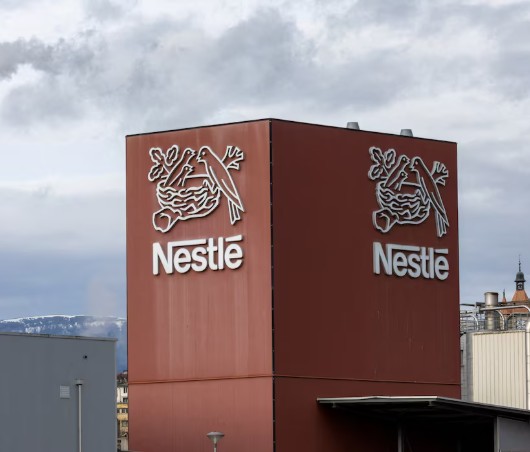
Let’s talk about the machinations of multinational corporations and their ties to elite power structures, few companies embody the dark side of unchecked globalization like Nestlé. This Swiss behemoth, the world’s largest food and beverage conglomerate, generates tens of billions in annual revenue while systematically exploiting vulnerable populations, natural resources, and labour forces in the Global South. Nestlé’s scandals aren’t mere “mistakes” or isolated PR blunders they reveal a pattern of corporate imperialism designed to concentrate wealth and control essential resources in the hands of a few, often at the expense of sovereignty, health, and human life. From infant deaths to water grabs and modern slavery, Nestlé’s history exposes how globalist finance prioritizes profit over people, buying influence to evade accountability while advancing agendas that erode national autonomy.
Nestle CEO Faces Mounting Scrutiny Amid Infant Formula Crisis
Nestlé CEO Philipp Navratil finds himself under intense scrutiny after the multinational conglomerate was forced into its largest recall ever, urgently removing infant formula from global supermarket chains due to contamination identified last month. This crisis is yet another example of the risks posed by giant corporations prioritising scale and profit over the safety of local communities. Shareholders have suffered, but the true cost has been passed onto families, as European prosecutors ramp up investigations. Navratil and the management, ensconced in corporate headquarters far from the consequences, are set to unveil a so-called turnaround plan for the Swiss behemoth, following January’s recall that exposed multiple production sites to cereulide—a toxin known to cause nausea and vomiting.
In France, eight families have lodged complaints after their children became ill with vomiting after consuming Nestlé’s baby formula, prompting Paris prosecutors to investigate. Similarly, in the UK, 36 suspected cases of food poisoning linked to this formula have surfaced. Rather than addressing the concerns of local parents, Nestlé and authorities rely on bureaucratic investigations to determine whether the corporate giant is responsible for distributing tainted products. Furthermore, these probes are coordinated with investigations into the tragic deaths of three babies in France, but Nestlé and the French health ministry swiftly claim there is “no evidence” of a direct connection—an all-too-familiar refrain from global corporations seeking to evade accountability.
In Switzerland, Nestlé’s shares remain stagnant, with the shadow of this corporate scandal continuing to cloud investor sentiment. Stepping back, the stock has fallen to levels not seen since 2018-19, signalling a lack of trust in the global food giant’s ability to manage crises and protect the interests of local communities over remote shareholders.
The Infant Formula Scandal: Corporate-Driven Depopulation?
But this isn’t the first time, is it? The most infamous chapter in Nestlé’s rap sheet began in the 1970s, when the company aggressively marketed baby formula in developing countries as superior to breast milk. Saleswomen dressed as nurses infiltrated hospitals in Africa, Asia, and Latin America, handing out free samples to new mothers. Once breastfeeding stopped, mothers became dependent on expensive formula, often diluting it with contaminated water due to poverty—leading to malnutrition, disease, and infant deaths. A 1974 report titled The Baby Killer exposed this predatory tactic, sparking global outrage and a U.S.-led boycott starting in 1977. Nestlé’s marketing contributed to hundreds of thousands of preventable infant deaths annually in low- and middle-income countries.
Nestlé killed babies for profit. This wasn’t just greed—it aligned with broader elite interests in curbing population growth in the developing world, echoing eugenics-tinged policies promoted by globalist institutions. Nestlé fought back fiercely, suing critics for libel, but eventually bowed to pressure with the 1981 WHO International Code on breast-milk substitutes. Yet violations persisted. In the 2010s and 2020s, reports emerged of Nestlé adding sugar to baby products sold in poor countries while marketing “no added sugar” versions in wealthier markets—a clear double standard exploiting regulatory weaknesses. And now, Nestlé has faced massive recalls of infant formula in over 60 countries due to bacterial contamination risks, further eroding trust. These aren’t anomalies; they’re symptoms of a profit-first model that views human lives as expendable.
Water Privatization: Controlling the Essence of Life
The Water Wars: Privatizing a Human Necessity
No Nestlé scandal better illustrates globalist resource control than its water exploitation. Former CEO Peter Brabeck-Letmathe infamously declared in a 2005 documentary that water is not a human right but a “foodstuff” that should have a market value, implying privatization for profit.
Though Nestlé later spun this as a call for “responsible pricing” to prevent waste, the damage was done—revealing a worldview where corporations, not communities, dictate access to vital resources. Nestlé has extracted massive volumes of groundwater for bottling brands like Pure Life, often in drought-stricken areas. In California, Pakistan, and Michigan, communities accused the company of draining aquifers while paying pennies for permits, then selling the water back at markup in plastic bottles. This fits the Agenda 2030-style “sustainability” rhetoric masking corporate land and resource grabs, turning public commons into private profit streams. Brabeck’s involvement in elite forums like Davos underscores how such views permeate globalist circles, where water scarcity is framed as an opportunity rather than a crisis.
Nestle: Child Slavery and Forced Labor
Modern Imperialism in Supply Chains
Child Slavery and Forced Labor in the Nestle’s Cocoa Supply Chain
Nestlé dominates the global chocolate market through brands like KitKat and Smarties, sourcing much of its cocoa from West Africa, particularly Ivory Coast, which produces 70% of the world’s supply. For decades, investigations have exposed child labour, trafficking, and outright slavery on these farms. Children as young as 10 are forced into hazardous work—machete-wielding, pesticide exposure, no education—for little or no pay. In 2001, Nestlé and other giants signed the Harkin-Engel Protocol, pledging to eliminate child labour by 2005. That deadline passed, then 2008, 2010, and 2020—yet a 2019 Washington Post investigation found the practice rampant. Lawsuits by former child slaves against Nestlé reached the U.S. Supreme Court, which in 2021 ruled in Nestlé’s favour on technical grounds, shielding them from liability. This isn’t incompetence; it’s structural.
Nestlé profits immensely while keeping cocoa prices low, trapping farmers in poverty that necessitates child labour. This is deliberate: global supply chains designed to exploit the Global South, ensuring cheap inputs for Northern consumers. Ties to modern slavery echo colonial extraction models. In 2015, Nestlé admitted forced labour in its Thai seafood supply chain for pet food brand Fancy Feast. Migrant workers from Myanmar and Cambodia were trafficked, beaten, and trapped on boats in slave-like conditions. This exposes the hypocrisy of globalist “sustainable supply chain” initiatives: cheap labour in deregulated zones fuels Western consumption, echoing colonial extraction.
Nestle’s Ties to the World Economic Forum and Globalist Agendas
Nestlé’s involvement with the WEF is extensive: executives speak at Davos, partner on initiatives like the Global Alliance for YOUth and regenerative agriculture, and former CEO Brabeck-Letmathe stepped in as interim WEF leader in 2025 amid scandals surrounding Klaus Schwab. The WEF promotes public-private partnerships that blur lines between governments and corporations, often prioritizing corporate interests in sustainability and food systems. Nestlé’s participation fits the pattern: a company plagued by exploitation scandals shaping global policy on food security and resources. Nestlé isn’t just a profiteer but a player in broader agendas—controlling food and water aligns with narratives of depopulation or dependency creation. Whether through formula undermining fertility cycles or water privatization in crises, patterns emerge.
Written By Tatenda Belle Panashe

