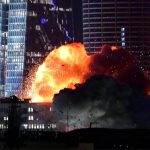
In Beirut/Jerusalem March 2, 2026 the Israel Defense Forces (IDF) announced on Monday that it has carried out a precision airstrike targeting a senior member of the Lebanese militant group Hezbollah in the southern suburbs of Beirut, marking a major escalation in ongoing hostilities between Israel and the Iran‑aligned group.
The strike comes amid a broader expansion of conflict across the Middle East, following recent exchanges of fire and an intense Israeli military campaign against Hezbollah targets in Lebanon after the group launched rockets and drones toward northern Israel.
Targeted Strike in Hezbollah Stronghold
The IDF said the airstrike was “pinpoint” and focused on a senior Hezbollah operative in Beirut’s southern suburbs an area long known as a Hezbollah stronghold and a frequent target during past conflicts.
While Israeli authorities have not publicly released the identity of the figure targeted, military statements described the strike as part of a coordinated response to Hezbollah’s increasing use of Lebanese territory for attacks against Israel. The militant group has yet to issue a formal comment on the strike.
Lebanese media and health officials reported that other airstrikes across Lebanon earlier on Monday killed dozens and injured many more, underscoring the severe toll the current escalation is taking on civilian populations.
Escalation After Cross‑Border Attacks
The latest military operations follow earlier statements from Hezbollah claiming responsibility for firing missiles and drones toward northern Israel the first such major offensive by the group since the intensification of the conflict tied to recent U.S. and Israeli strikes in Iran.
The IDF responded by launching a broader campaign against Hezbollah targets throughout Lebanon, striking command centres, infrastructure sites and senior operatives in both Beirut and southern regions near the Israeli border.
Israel’s Defence Minister has warned Hezbollah will “pay a heavy price” for opening a new front against Israel, and suggested senior figures within the group are now marked targets for assassination as part of an intensified military strategy.
Civilian Impact and Regional Tensions
The strikes have had significant impacts on Lebanese civilians, with reports of casualties and displacement as residents flee from areas hit by Israeli air operations. Emergency services in Beirut confirmed that at least 31 people were killed and more than 140 wounded in recent bombardments, though it has not yet been possible to distinguish between combatants and civilians in official tallies.
Lebanese authorities have called for international intervention to prevent further deterioration of security, while the Lebanese government has distanced itself from Hezbollah’s actions emphasizing that the group’s military decisions are independent of state authority.
Regional tensions remain high as the conflict intersects with larger geopolitical fault lines involving Iran, the United States and allied forces, raising fears of a widening confrontation that extends beyond Lebanon and Israel.
International Reactions and Diplomatic Pressure
World leaders and international organisations have called for restraint, warning that continued escalation could spark further instability across the Middle East. Humanitarian agencies have expressed alarm over rising civilian casualties, underscoring the urgent need for diplomatic de‑escalation. Diplomatic efforts are reportedly underway in capitals including Vienna, Washington and Cairo to prevent a broader regional war.
Meanwhile, analysts say that targeted strikes against senior Hezbollah figures signal a shift toward more direct confrontation, raising serious questions about future military and political dynamics in Lebanon and the wider Middle East.
What Comes Next?
With no indication that hostilities will ease, security officials have warned that further strikes are likely if Hezbollah continues its cross‑border operations. The evolving situation is expected to remain a central focus of regional security discussions in the coming days, with implications for global diplomacy and efforts to contain the broader Iran‑linked conflict.
________________________________________________________________________________________________________________