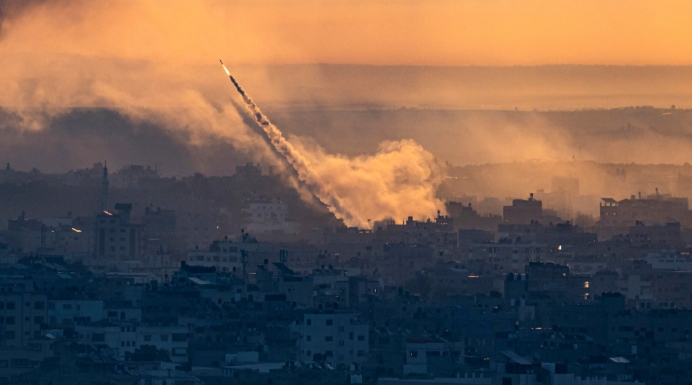
Israel and Iran launched new waves of attacks on Friday, intensifying a rapidly escalating conflict and raising fears of a broader regional war with global consequences.
The latest strikes mark a significant escalation, as both sides continue to target strategic infrastructure and signal no immediate willingness to de-escalate.
New strikes hit Tehran and strategic sites
Israeli forces carried out fresh airstrikes on targets in and around Tehran, with explosions reported across the capital. The attacks are among the most direct in the current conflict and have heightened concern among civilians.
These operations follow earlier Israeli strikes on Iran’s energy infrastructure, including the South Pars gas field, a critical component of the country’s natural gas production.
Iran responded with missile and drone attacks targeting Israeli infrastructure, including energy facilities. Some of the strikes also affected locations beyond Israel, indicating a widening scope of the conflict.
Energy infrastructure becomes a key battleground
A defining feature of the escalation is the targeting of oil and gas facilities, raising alarms in global energy markets.
Israeli attacks have disrupted parts of Iran’s energy production, while Iran has retaliated by striking regional energy assets, causing fires and temporary shutdowns.
As a result, global oil and gas prices have surged, with analysts warning of potential long-term disruptions if the conflict continues.
Rising casualties and regional spillover
The human toll continues to rise as the conflict spreads across multiple fronts. Hundreds of people have reportedly been killed in Iran, Lebanon, and Israel since the escalation began.
In Lebanon, Israeli forces have intensified operations against Hezbollah targets, while missile alerts have been triggered in northern Israel and Jerusalem.
Several Gulf countries have also reported incidents linked to the conflict, including intercepted drones and damage to infrastructure, increasing fears of a wider regional escalation.
International pressure mounts
Global leaders have called for restraint, warning that continued escalation could lead to a larger crisis.
The United States has urged caution, particularly regarding attacks on energy infrastructure, while European leaders and international organizations have called for an immediate ceasefire.
Despite these calls, both sides remain firm. Israeli officials say military operations are necessary for national security, while Iran has warned it will respond strongly to any further attacks.
Risk of wider war
Experts warn the conflict is nearing a critical point, with the potential to expand into a broader regional war.
Key concerns include disruption to global energy supplies and threats to major shipping routes such as the Strait of Hormuz, a vital corridor for oil transport.
Uncertain path forward
With continued exchanges of attacks and limited diplomatic progress, the situation remains highly volatile.
What began as targeted strikes has evolved into a multi-front conflict with serious regional and global implications. As tensions continue to rise, the risk of further escalation remains high.