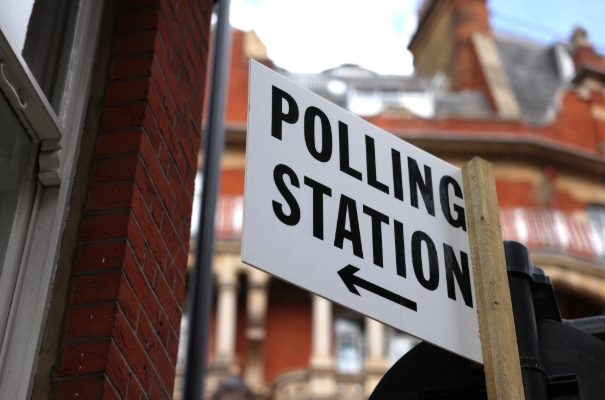
Voters Head to Polls Across the United Kingdom
Millions of voters across the United Kingdom went to the polls on Thursday in a major set of elections that are widely seen as a crucial test of Prime Minister Keir Starmer’s Labour government.
The vote covers a wide range of contests, including local council elections in England, mayoral races, and full parliamentary elections in Scotland and Wales, making it one of the most significant multi-level electoral events in recent years.
Polling stations opened from 7am to 10pm, with results expected to begin coming in overnight and continuing into the weekend.
A Key Test for the Labour Government
The elections come less than two years after Labour’s 2024 general election victory, but political momentum has shifted sharply since then.
Analysts describe the current vote as a “midterm referendum” on Starmer’s leadership, with Labour facing widespread dissatisfaction over:
- Cost-of-living pressures
- Public service strain
- Internal party divisions
Early projections suggest Labour could suffer significant losses across council seats, particularly in traditional strongholds.
Rise of Smaller and Populist Parties
One of the most striking features of the 2026 elections is the continued fragmentation of UK politics.
Key trends include:
- Reform UK gaining support in working-class and formerly Labour-voting areas
- The Green Party strengthening its position in urban centres
- The Liberal Democrats targeting middle-ground voters disillusioned with both major parties
- The Scottish National Party (SNP) and Plaid Cymru maintaining strong regional influence
Recent polling suggests a highly competitive and fragmented political landscape, with no single party dominating national sentiment.
Labour Under Pressure from Multiple Fronts
Prime Minister Keir Starmer faces growing political pressure as Labour braces for what some analysts have described as a potentially “calamitous” set of results.
Reports indicate Labour could lose thousands of council seats, triggering renewed debate within the party about its leadership direction and strategy.
Despite this, senior Labour figures have urged unity, warning against internal leadership challenges during a volatile political period.
Devolved Nations: Scotland and Wales in Focus
In Scotland and Wales, voters are also electing members of devolved parliaments under expanded electoral systems.
Key issues dominating these contests include:
- Independence debates in Scotland
- Cost-of-living and public services
- Healthcare and education reform
- Energy policy and climate transition
These results are expected to play a major role in shaping the balance of power between Westminster and devolved governments.
Election Results Expected to Reshape UK Politics
Experts say the 2026 elections could mark a turning point in British politics, accelerating the decline of traditional two-party dominance.
Key potential outcomes include:
- Labour losses weakening local governance control
- Conservative Party struggles to regain momentum
- Continued rise of Reform UK as a disruptive force
- Stronger influence for Greens and regional parties
The results are expected to begin shaping coalition dynamics, policy direction, and leadership debates across multiple parties.
Conclusion
The 2026 UK elections represent more than just local and regional contests they are widely viewed as a referendum on the Labour government’s early performance and a reflection of a rapidly changing political landscape.
With results still pending, all major parties are preparing for outcomes that could significantly reshape British politics heading toward the next general election cycle.
________________________________________________________________________________________________________________