African leaders have intensified calls for sweeping reforms to global credit systems during a high-level summit in Nairobi co-hosted with France, arguing that outdated risk assessments are limiting investment and slowing economic growth across the continent.
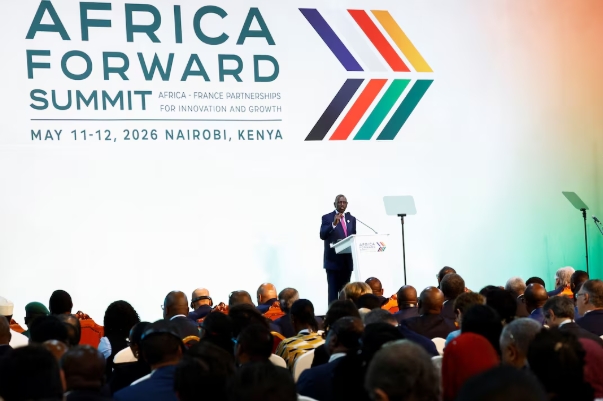
The discussions took place at the Africa Forward Summit, which brought together more than 30 African heads of state alongside French President Emmanuel Macron, senior financial institutions and global development partners.
Push to reform global credit “risk perception”
Central to the summit is a growing demand from African governments to overhaul how international lenders and rating agencies evaluate African economies.
Leaders argue that Africa is often classified as a high-risk investment region, leading to higher borrowing costs, reduced credit access and slower development financing.
Kenyan President William Ruto, one of the summit co-hosts, said African economies are not suffering from a lack of capital but from a flawed global “risk architecture” that inflates borrowing costs.
Officials emphasized that improving credit fairness could unlock billions in investment for infrastructure, energy and industrial growth across the continent.
France signals support for financial reforms
French President Emmanuel Macron used the summit to reaffirm France’s backing for reforming global investment systems, including proposals for guarantee mechanisms that would reduce investor risk when funding African projects.
France also highlighted its commitment to expanding economic partnerships with African nations, with Macron pointing to multi-billion-euro investment commitments announced during the summit.
The meeting is widely seen as part of France’s broader effort to reshape its relationship with Africa from a traditional aid-based model toward more investment-driven cooperation.
Credit rating agencies under scrutiny
A key issue raised by African leaders is the role of global credit rating agencies, which they say often apply inconsistent or overly negative assessments of African economies.
Some countries have already begun exploring alternatives, including the creation of African-led rating frameworks and regional financial tools aimed at improving borrowing conditions.
Financial experts at the summit noted that even small adjustments in rating methodologies could significantly reduce debt servicing costs for several African states.
Debt pressure and development concerns
Many African economies continue to face high debt burdens, compounded by rising global interest rates and currency pressures. Leaders warned that without reform, development goals in areas such as climate adaptation, infrastructure, and job creation could be delayed.
The summit also discussed broader global financial reform, including debt restructuring mechanisms and improved access to long-term concessional financing.
Growing Africa–France financial partnership
The Nairobi summit also reflects France’s attempt to deepen economic ties with Africa amid shifting geopolitical influence on the continent. Officials say the partnership is increasingly focused on investment, innovation, and private-sector growth rather than traditional diplomacy.
However, African leaders stressed that any renewed partnership must be based on fair financial treatment and equal access to global capital markets.
Outlook
The proposals discussed in Nairobi are expected to be taken forward to upcoming international meetings, where African leaders plan to push for global endorsement of credit reform initiatives.
Analysts say the summit signals a broader shift in Africa’s economic diplomacy moving from aid dependency toward demands for structural changes in the global financial system.
________________________________________________________________________________________________________________