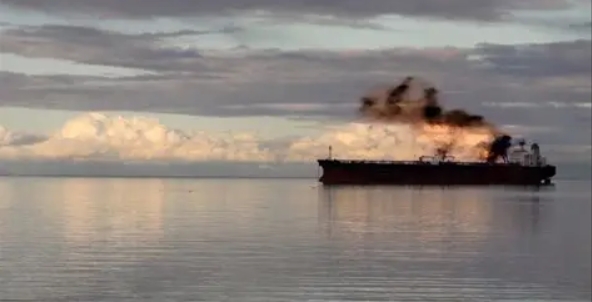
A Chinese-owned supertanker carrying millions of barrels of Iraqi crude oil is attempting to pass through the strategically critical Strait of Hormuz, as tensions in the Gulf continue to threaten global energy markets and maritime security.
Shipping data released Wednesday showed that the Very Large Crude Carrier (VLCC) Yuan Hua Hu had moved past Iran’s Larak Island and was heading south through the narrow waterway that connects the Persian Gulf to the Gulf of Oman. The vessel is reportedly transporting approximately two million barrels of Iraqi crude.
The attempted transit comes during one of the most volatile periods in the region in recent years, with ongoing confrontation involving the United States, Israel and Iran disrupting shipping lanes and raising fears of a broader energy crisis.
Strategic Importance of Hormuz
The Strait of Hormuz remains one of the world’s most important maritime chokepoints. Roughly one-fifth of global oil and gas shipments pass through the narrow corridor linking Gulf oil producers to international markets.
Any disruption in the strait immediately impacts global oil prices, shipping insurance costs and international trade flows.
Since the outbreak of the latest regional conflict in late February, Iran has tightened its grip over shipping activity in the area, while the United States and allied nations have increased naval deployments aimed at safeguarding commercial traffic.
Third Known Chinese Tanker Transit
According to maritime tracking firms LSEG and Kpler, the Yuan Hua Hu would become the third known Chinese oil tanker to attempt or complete passage through Hormuz since the latest crisis escalated.
Earlier Chinese-linked tankers reportedly managed to navigate the strait despite threats, military warnings, and intermittent attacks on commercial vessels. Several ships have either turned back or switched off tracking systems while transiting the region to reduce the risk of being targeted.
The tanker is reportedly owned by a subsidiary of COSCO Shipping Energy Transportation and chartered by trading arm Unipec, linked to Sinopec. Neither company has publicly commented on the latest voyage.
Rising Risks for Commercial Shipping
Commercial shipping through the Gulf has become increasingly dangerous over recent weeks.
Several tankers have reportedly been attacked, seized, or forced to reroute amid military standoffs between Iran and Western forces. Reports have also emerged of ships disabling automatic identification systems while navigating the strait in an attempt to avoid detection.
Earlier this month, a Chinese-linked tanker was reportedly struck during escalating maritime clashes, marking one of the first incidents directly involving Chinese shipping interests.
Insurance premiums for vessels operating in the Gulf have surged, while some international shipping companies temporarily suspended routes through Hormuz altogether.
China’s Balancing Act
Beijing has attempted to balance its strategic partnership with Iran against its dependence on uninterrupted Gulf energy supplies.
China remains one of the world’s largest importers of Middle Eastern crude oil, and analysts say Beijing is under growing pressure to help stabilize maritime trade routes without becoming directly involved in the conflict.
This week, U.S. and Chinese officials reportedly agreed that no nation should impose tolls or restrictions on passage through the Strait of Hormuz, signaling a rare point of alignment between Washington and Beijing amid broader geopolitical rivalry.
Iran, however, continues to assert significant influence over movement through the strait and has reportedly negotiated separate arrangements with some regional countries regarding oil and LNG shipments.
Global Markets Watching Closely
Energy traders and governments worldwide are closely monitoring whether the Yuan Hua Hu completes its journey safely.
A successful transit could signal that limited commercial movement through Hormuz remains possible despite ongoing instability. However, any attack, seizure, or military escalation involving the vessel could sharply intensify fears of supply disruptions and trigger renewed volatility in global oil prices.
The latest developments underscore how the Strait of Hormuz has once again become a central flashpoint in global geopolitics, with major powers, oil exporters, and shipping companies all navigating an increasingly fragile security environment.
________________________________________________________________________________________________________________