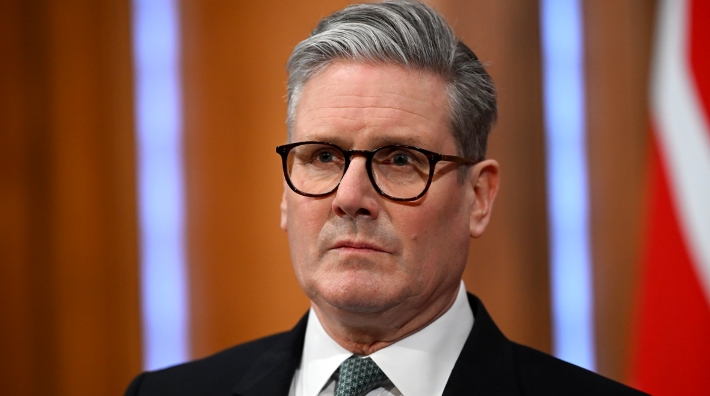
British Prime Minister Keir Starmer will not announce any timetable for stepping down from office, Deputy Prime Minister Angela Rayner said on Sunday, pushing back against mounting speculation over the future of Starmer’s leadership amid political pressure and growing scrutiny of his government.
Rayner’s remarks come after weeks of intense debate within British political circles over the stability of Starmer’s administration, following a difficult period marked by falling approval ratings, internal Labour Party tensions and criticism over economic policy decisions. Speaking during a televised interview, Rayner insisted that Starmer remained focused on governing and had no intention of outlining when he might leave office.
“He is concentrating on delivering for the country,” Rayner said, dismissing reports that discussions were underway about succession planning within the governing Labour Party.
Leadership Speculation Grows
Questions about Starmer’s political future have intensified in recent months as the government faces pressure over slowing economic growth, public sector disputes and voter frustration over the cost-of-living crisis. Several opinion polls have shown declining public confidence in the government, prompting speculation among political analysts and opposition figures about whether Labour could face internal leadership challenges before the next general election.
Despite the speculation, senior Labour officials have publicly rallied behind Starmer. Rayner emphasized that the prime minister retained the support of cabinet ministers and remained committed to implementing Labour’s policy agenda.
Political commentators note that British prime ministers often come under pressure to clarify their long-term intentions when public support weakens. However, announcing a departure timetable can risk undermining authority and fueling internal rivalries, something Starmer’s allies appear keen to avoid.
Opposition Seizes on Uncertainty
The opposition Conservative Party has attempted to capitalize on the uncertainty surrounding Starmer’s leadership, arguing that Labour is increasingly distracted by internal political concerns rather than national priorities.
Conservative officials have accused the government of lacking a clear economic strategy and failing to address persistent challenges including inflation, housing shortages and strain on public services. Opposition lawmakers have also pointed to divisions within Labour over taxation, immigration policy and public spending levels.
Meanwhile, smaller parties, including the Liberal Democrats and the Scottish National Party, have called for greater political stability and clearer direction from Westminster.
Economic and Political Pressure
Starmer’s government has faced a difficult political environment since taking office, with economic recovery remaining uneven despite efforts to stabilize public finances. Businesses and trade unions have continued to push for stronger government intervention to address rising living costs and stagnant wages.
The administration has also confronted criticism over healthcare waiting times, infrastructure delays and concerns surrounding immigration management. While ministers argue that reforms are underway, critics say progress has been too slow to satisfy voters.
Analysts suggest that the prime minister’s refusal to discuss an exit timetable is aimed at projecting stability and avoiding the appearance of a weakened leadership during a sensitive political period.
Labour Attempts to Refocus Agenda
Senior Labour figures are now attempting to redirect public attention toward policy priorities, including investment, energy security and industrial growth. Government officials say upcoming parliamentary sessions will focus heavily on economic reforms and public service improvements.
Rayner said Labour’s priority was “delivering results for working people,” insisting that media speculation over leadership succession would not distract the government from its agenda.
For now, Starmer appears determined to remain in control and avoid fueling speculation about his future. But with political pressure continuing to mount, questions over the long-term direction of Labour’s leadership are unlikely to disappear anytime soon.
________________________________________________________________________________________________________________