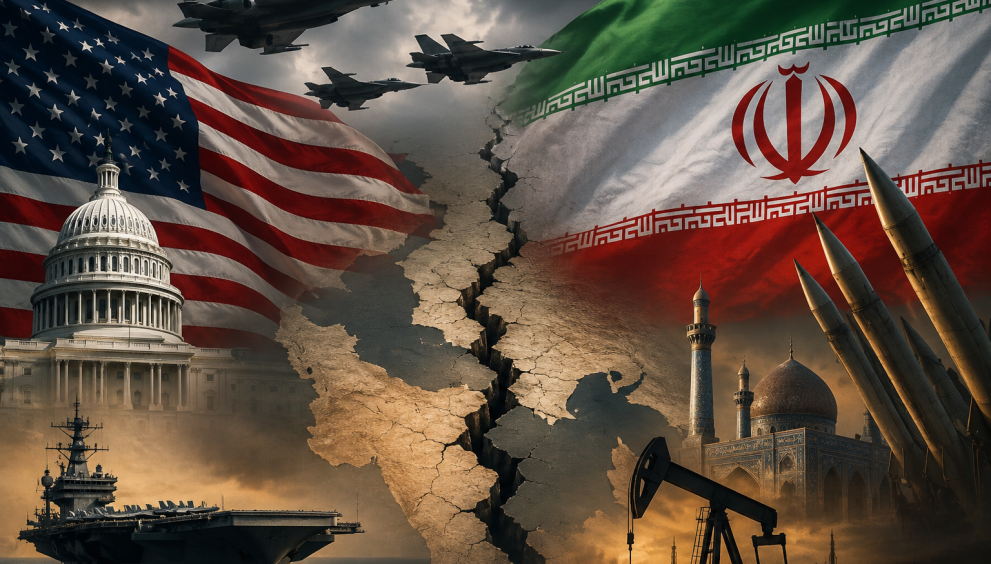
U.S. President Donald Trump has warned that the United States could launch fresh military strikes against Iran within days if negotiations fail, even as he acknowledged that Tehran is seeking a diplomatic agreement to avoid further escalation.
Speaking amid rising tensions in the Middle East, Trump said he had come close to approving another military operation before deciding to delay action to allow space for negotiations. According to multiple reports, the U.S. president suggested that Iran’s leadership now wants a deal after weeks of conflict, sanctions pressure, and mounting regional instability.
The remarks come after months of escalating confrontation between Washington and Tehran, including U.S. and Israeli strikes on Iranian targets, retaliatory missile and drone attacks by Iran, and growing fears of a broader regional war involving Gulf states and critical shipping routes near the Strait of Hormuz.
Trump Says Military Option Still on the Table
Trump indicated that while diplomacy remains possible, military action has not been ruled out. He reportedly said the U.S. could carry out another strike “within days” if Tehran refuses to meet American demands regarding its nuclear ambitions and regional military activities.
According to Reporters and other international outlets, Trump claimed he had postponed a planned attack after receiving signals that Iran was prepared to continue negotiations through regional mediators. Gulf nations including Qatar, Saudi Arabia and the United Arab Emirates have reportedly urged both sides to avoid another round of fighting that could destabilize the region and threaten global energy markets.
Trump has repeatedly stated that the United States will not allow Iran to obtain nuclear weapons, describing Tehran’s nuclear program as a direct threat to regional and global security.
Iran Seeking Negotiated Settlement
Iranian officials have responded by signaling willingness to negotiate, though Tehran continues to insist on several conditions for any lasting agreement. Reports indicate that Iran’s proposals include sanctions relief, access to frozen financial assets, withdrawal of some U.S. military forces from nearby areas and guarantees against future attacks.
Iran has also reportedly sought reparations for damage caused during recent military operations and continues to demand recognition of what it calls its right to a peaceful nuclear program.
Pakistani mediators and other regional diplomats have been involved in efforts to bridge gaps between Washington and Tehran. However, officials familiar with the talks say major disagreements remain unresolved, particularly over uranium enrichment, missile development, and Iran’s regional proxy networks.
Ceasefire Remains Fragile
Although a temporary ceasefire has largely held in recent weeks, sporadic drone incidents and military alerts continue across the Gulf region. Analysts warn that the situation remains highly volatile and that even a limited military confrontation could trigger wider conflict involving U.S. allies and Iranian-backed groups across the Middle East.
The conflict has already disrupted shipping activity and energy markets, with tensions surrounding the Strait of Hormuz remaining a major concern for global oil supplies. Iran previously imposed restrictions on maritime traffic through the strategic waterway during the height of the confrontation.
Meanwhile, new U.S. sanctions targeting Iranian financial and shipping networks have added further economic pressure on Tehran, even as negotiators continue behind-the-scenes discussions aimed at avoiding renewed warfare.
Global Concerns Over Escalation
International leaders and diplomats have continued urging restraint, warning that another U.S. strike on Iran could trigger severe geopolitical and economic consequences. Oil prices and global shipping costs remain sensitive to developments in the Gulf, while investors continue monitoring the possibility of renewed hostilities.
Despite the harsh rhetoric, both Washington and Tehran have publicly left the door open for diplomacy. Trump has maintained that a negotiated settlement remains possible, though he emphasized that the U.S. military remains prepared to act if talks collapse.
________________________________________________________________________________________________________________