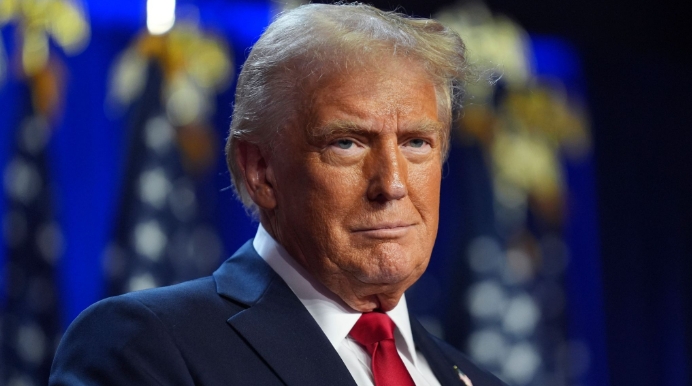
U.S. President Donald Trump has defended ongoing negotiations with Iran, insisting that no final agreement has been reached despite reports that a broad framework is already taking shape.
Speaking as criticism mounted from some Republican allies and foreign policy hawks, Trump said the proposed deal with Tehran remains incomplete and would only move forward if it fully protects U.S. interests.
The negotiations are part of wider diplomatic efforts aimed at ending months of tensions and conflict involving the United States, Iran and regional allies in the Middle East. Discussions have reportedly included the possible reopening of the strategically important Strait of Hormuz, sanctions relief and limits on Iran’s nuclear activities.
Trump Says He Will Not Rush Into a Deal
Trump pushed back against claims that his administration was close to signing an agreement that resembles the 2015 Iran nuclear deal negotiated during former President Barack Obama’s administration.
According to reports, Trump argued that any new arrangement with Iran would be “the exact opposite” of the Obama-era deal, which he withdrew the United States from in 2018.
He also stressed that the agreement is still under negotiation and warned that unresolved issues remain between both sides. Reporters mentioned that Trump said there was “no rush” to finalize the deal and that U.S. pressure measures, including a naval blockade linked to the Strait of Hormuz crisis, would remain in place until a formal agreement is signed.
Talks Focus on War De-escalation
Officials familiar with the discussions say the negotiations are focused mainly on ending the current conflict and reducing tensions in the Gulf region.
Several reports indicate that Iran may agree to restrictions involving enriched uranium and maritime security in exchange for sanctions relief and access to frozen financial assets.
Iranian officials, however, have cautioned that no final agreement is imminent. Tehran said progress has been made on several issues, but disagreements and changing positions from Washington continue to complicate the talks.
Republican Critics Raise Concerns
Trump’s approach has triggered backlash from some senior Republicans and conservative commentators who believe the negotiations may give Iran too many concessions.
Critics have argued that easing sanctions or releasing frozen Iranian assets could strengthen Tehran economically and politically. Some also fear the agreement could weaken pressure on Iran’s nuclear and regional ambitions.
Despite the criticism, Trump maintained that he would not approve what he described as a “bad deal,” saying the United States remains in a strong negotiating position.
Uncertainty Still Surrounds Final Outcome
While U.S. officials reportedly believe negotiations are close to completion, major details still appear unresolved. Reports suggest disagreements remain over sanctions, nuclear restrictions and implementation timelines.
Analysts say the coming days could be critical in determining whether the talks lead to a formal diplomatic breakthrough or collapse under political pressure from both sides.
The developments are being closely watched by global markets and regional governments because any agreement affecting Iran and the Strait of Hormuz could significantly influence oil prices and stability in the Middle East.
________________________________________________________________________________________________________________