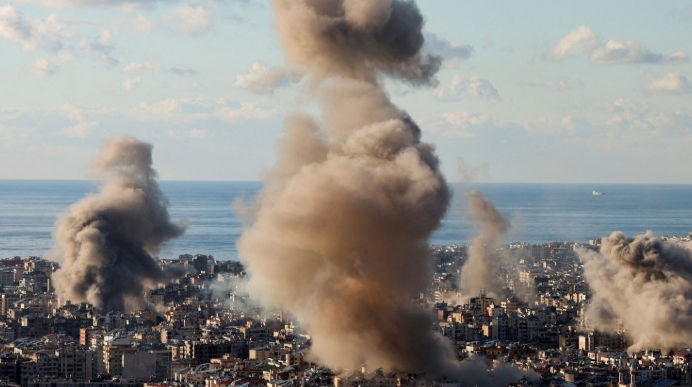
A newly agreed ceasefire between Israel and Lebanon has raised hopes that diplomatic efforts to end the broader crisis involving Iran and the United States could gain momentum, offering a potential pathway toward reducing tensions across the Middle East.
The ceasefire, announced following negotiations in Washington, is being viewed by diplomats and analysts as a significant step toward addressing one of Tehran’s key conditions for advancing talks with the United States. Iranian officials have repeatedly linked progress in negotiations to an end to hostilities involving Lebanon and the Iran-backed Hezbollah movement.
While major obstacles remain, the agreement has generated cautious optimism that a wider diplomatic breakthrough may be possible in the coming days.
Ceasefire Agreement Offers Diplomatic Opening
Under the terms of the latest arrangement, Israel and Lebanon agreed to implement measures aimed at ending weeks of renewed fighting along their shared border. The agreement is contingent on a complete cessation of fire by Hezbollah and the withdrawal of its fighters from southern Lebanon, according to statements released following talks in Washington.
The ceasefire follows months of escalating violence that had threatened to derail broader regional diplomacy. Previous ceasefire efforts struggled to hold as both sides accused each other of violations and continued military operations.
Lebanese officials have welcomed the agreement as an opportunity to restore stability and reduce the risk of a wider regional conflict.
Tehran Sees Lebanon as Key to Wider Deal
Iran has consistently argued that any lasting regional settlement must address the conflict in Lebanon. Tehran has made clear that progress in negotiations with Washington would be difficult while fighting continued between Israel and Hezbollah.
Iranian leaders have also demanded broader concessions, including sanctions relief and guarantees regarding regional security arrangements. At the same time, the United States continues to insist that any agreement must prevent Iran from advancing toward nuclear weapons capability.
Diplomatic sources say the ceasefire could remove one of the most contentious issues standing in the way of further negotiations, although significant disagreements remain over nuclear restrictions, sanctions, and regional influence.
Trump Signals Potential Progress
U.S. President Donald Trump has expressed optimism about the prospects for renewed diplomacy, suggesting that meaningful progress in talks with Iran could emerge soon.
Speaking in recent days, Trump indicated that discussions remain active and hinted that developments could occur as early as the coming weekend. The White House has continued to emphasize diplomacy while maintaining pressure on Tehran through economic and military measures.
Administration officials argue that the ceasefire demonstrates the effectiveness of U.S.-led diplomatic efforts and could help create conditions for broader regional stability.
Markets Respond Positively
Financial markets reacted cautiously positively to news of the ceasefire and the possibility of progress in U.S.-Iran negotiations.
Oil prices fell after investors assessed that reduced tensions could lower the risk of disruptions to energy supplies from the Middle East. Brent crude and U.S. benchmark prices both moved lower as traders weighed the possibility of a broader diplomatic settlement.
Stock markets across the Gulf region also posted modest gains as hopes for de-escalation improved investor sentiment. Analysts said investors remain cautious, however, given the fragile nature of the ceasefire and the possibility of renewed hostilities.
Challenges Remain
Despite growing optimism, significant uncertainties continue to surround both the ceasefire and the wider diplomatic process.
Israeli officials have indicated they will continue to respond to any perceived threats from Hezbollah, while questions remain about whether the militant group will fully comply with the terms of the agreement. Reports of sporadic exchanges of fire and military activity have highlighted the fragility of the truce.
At the same time, negotiations between Washington and Tehran remain complex. Disputes over Iran’s nuclear program, sanctions relief, security guarantees, and the future of regional alliances continue to present formidable challenges.
Regional and Global Implications
A successful agreement between the United States and Iran could have far-reaching consequences for the Middle East, potentially reducing tensions in several conflict zones and easing concerns about disruptions to global energy supplies.
The Strait of Hormuz, through which a significant portion of the world’s oil exports passes, remains a major point of contention. Stability in the region would be welcomed by governments and businesses worldwide that have been closely monitoring developments.
Diplomats caution that expectations should remain measured, but many view the Lebanon ceasefire as the most promising opening for diplomacy in months.
Looking Ahead
The coming days are expected to be critical as negotiators attempt to transform the ceasefire into a broader diplomatic framework that could address longstanding disputes between Washington and Tehran.
Whether the latest truce can withstand ongoing tensions and whether Iran and the United States can bridge their remaining differences will likely determine the future direction of Middle East diplomacy.
For now, the ceasefire has provided a rare moment of optimism in a region that has endured months of conflict, offering hope that diplomacy may finally begin to gain ground over confrontation.
________________________________________________________________________________________________________________