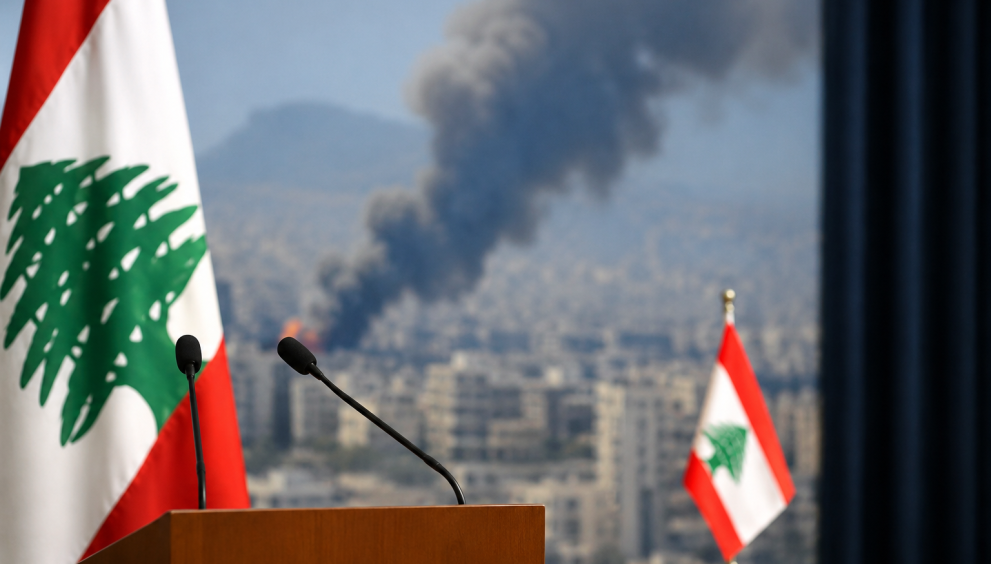
Lebanese President Joseph Aoun has strongly condemned Iran’s recent missile and drone strikes targeting several countries across the Middle East, warning that the attacks threaten regional stability and risk drawing more nations into an already volatile conflict.
The president’s remarks came as tensions between Iran, the United States, and several Gulf nations continue to intensify following a new wave of military exchanges across the region. Lebanon’s leadership reiterated that the country must not become a battlefield for external conflicts and called for an immediate de-escalation through diplomatic channels.
Lebanon Calls for Regional Stability
In an official statement, President Aoun expressed Lebanon’s solidarity with neighboring Arab states affected by the attacks, emphasizing that violations of sovereignty undermine regional security and threaten civilian lives.
He stressed that Lebanon remains committed to preserving peace and stability while urging all parties to exercise restraint. The president warned that continued military escalation could have severe humanitarian, economic, and security consequences throughout the Middle East.
The condemnation reflects Lebanon’s ongoing efforts to distance itself from the widening confrontation between Iran and its regional adversaries, amid concerns that further hostilities could spill over into Lebanese territory.
Growing Regional Tensions
The latest Iranian strikes followed renewed U.S. military operations against Iranian targets, marking another significant escalation in months of hostilities. Iran has claimed responsibility for attacks on U.S. military installations in Jordan while regional governments have reported missile interceptions and heightened security alerts.
Several Gulf states have also condemned the attacks, describing them as violations of international law and regional sovereignty. The exchange of strikes has raised fears of a broader conflict involving multiple regional powers.
Lebanon Seeks to Avoid Wider Conflict
Lebanese officials have consistently maintained that the country should remain outside regional military confrontations. Prime Minister Nawaf Salam has similarly condemned attacks against neighboring Arab states and reaffirmed Beirut’s commitment to diplomacy rather than military escalation.
The Lebanese government continues to emphasize that decisions relating to war and peace must remain under the authority of the Lebanese state, while working with international partners to prevent further instability.
International Concern Mounts
The renewed fighting has prompted widespread international concern, with governments and international organizations warning that continued military action could threaten global energy supplies, disrupt international shipping routes, and worsen the humanitarian situation across the region.
The Strait of Hormuz remains a focal point of concern due to its importance for global oil exports, while rising oil prices and increased maritime security risks have added to fears of broader economic repercussions. Diplomatic efforts by regional and international actors continue, but no immediate breakthrough has been announced.
Outlook
With military operations continuing and regional rhetoric hardening, analysts warn that the risk of miscalculation remains high. Lebanon’s leadership is expected to continue advocating for restraint while seeking to shield the country from the consequences of the expanding regional confrontation.
The coming days are likely to prove critical as diplomatic efforts compete with ongoing military developments across the Middle East.
________________________________________________________________________________________________________________