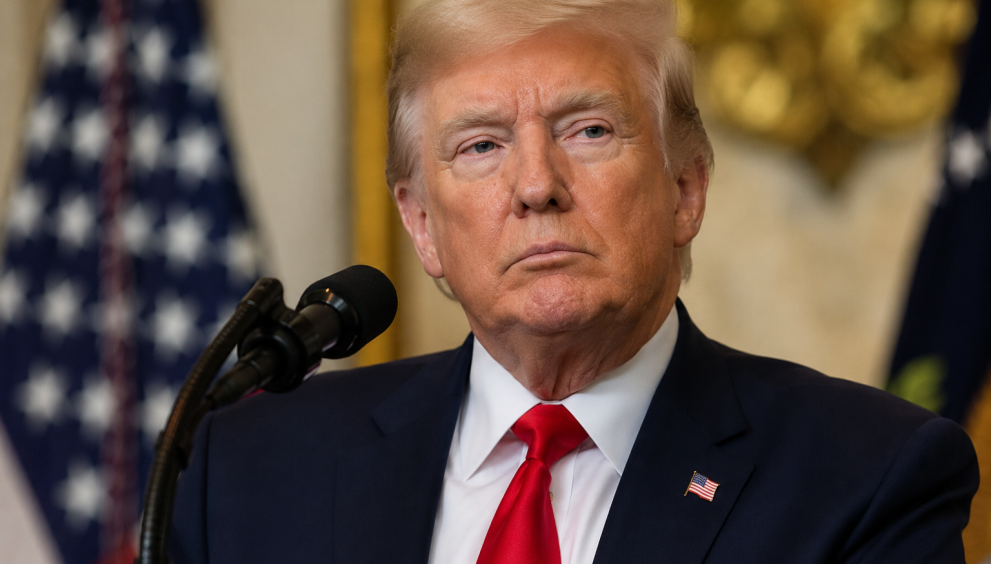
U.S. President Donald Trump has declared that the United States and Iraq are entering what he described as a “new era” in bilateral relations, emphasizing expanded economic cooperation, energy investment, and long-term strategic partnerships during talks with Iraqi Prime Minister Ali al-Zaidi at the White House.
The high-level meeting marked a significant shift in the relationship between the two countries, moving the focus away from decades of military engagement and toward trade, investment, and economic development.
A New Strategic Partnership
Speaking alongside Prime Minister al-Zaidi, President Trump praised the Iraqi leader and expressed confidence in Iraq’s future, saying the two nations would pursue numerous economic agreements that would benefit both countries.
Trump highlighted Iraq’s vast energy resources, stating that American companies would play a major role in developing Iraq’s oil sector through new commercial partnerships. He said the planned investments would create jobs, strengthen energy cooperation, and deepen economic ties between Washington and Baghdad.
The U.S. president also described his relationship with the Iraqi prime minister as positive and said the strengthened partnership reflected growing confidence between the two governments.
Economic Cooperation Takes Center Stage
The discussions centered heavily on expanding American investment in Iraq’s energy industry, infrastructure, and private sector.
Trump noted that U.S. energy firms are already increasing their presence in Iraq through partnerships aimed at boosting oil production and modernizing the country’s energy infrastructure. While no detailed agreements were publicly released during the meeting, officials indicated that additional investment initiatives are expected in the coming months.
For Iraq, attracting foreign investment remains a priority as the country seeks to diversify its economy, rebuild infrastructure, and create employment opportunities after years of conflict and political instability.
Military Relationship Enters New Phase
The White House meeting also coincided with confirmation that all remaining U.S. military forces are expected to withdraw from Iraq by the end of September 2026 under an agreement previously reached between Washington and Baghdad.
Both governments stressed that the withdrawal does not signal the end of bilateral cooperation. Instead, officials said the relationship will increasingly focus on diplomacy, economic development, intelligence sharing, and commercial engagement rather than a large American military presence.
American officials noted that U.S. companies will continue operating in Iraq even after the military withdrawal is completed.
Regional Importance
The renewed partnership comes at a time of heightened tensions across the Middle East, with Iraq continuing to balance its relationships with both the United States and neighboring Iran.
Analysts say Washington views a stable and economically strong Iraq as an important regional partner, particularly in energy security and counterterrorism cooperation.
The meeting is also seen as part of broader U.S. efforts to strengthen relationships with key Middle Eastern governments while encouraging greater private-sector investment throughout the region.
Looking Ahead
Although many of the proposed agreements remain under negotiation, the White House meeting signaled both governments’ intention to redefine U.S.-Iraq relations around economic growth rather than military operations.
If implemented successfully, the planned investments and commercial partnerships could mark one of the most significant transformations in U.S.-Iraq relations since the end of major American combat operations in the country.
Both leaders indicated that additional bilateral discussions and investment announcements are expected in the months ahead as Washington and Baghdad seek to build what President Trump described as a stronger and more prosperous partnership.
________________________________________________________________________________________________________________