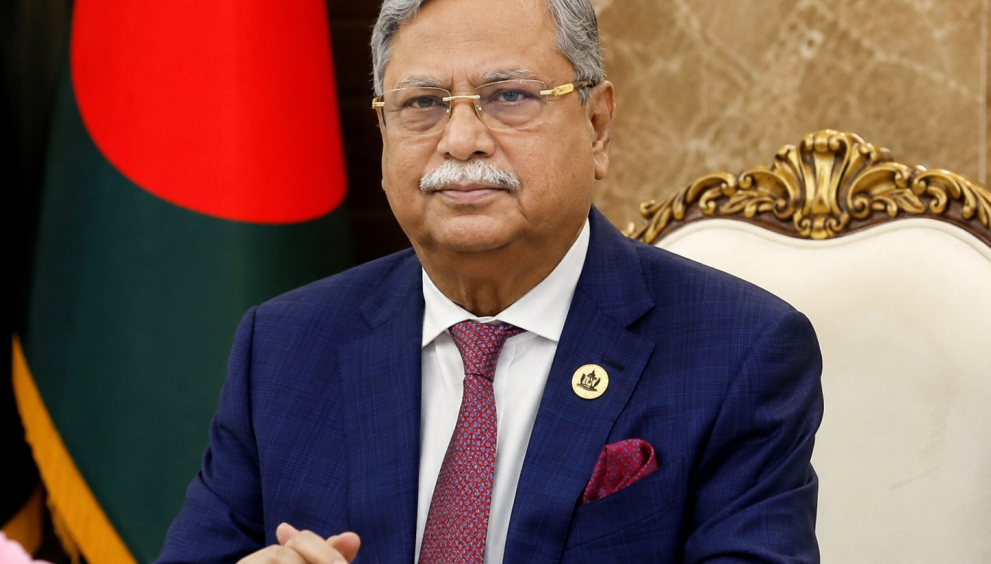
Bangladesh President Mohammed Shahabuddin is expected to resign on Friday, according to political sources, marking another major shift in the country’s political landscape following the removal of former Prime Minister Sheikh Hasina from power. The move comes as Bangladesh continues to navigate a period of political uncertainty and institutional change.
President Faces Growing Pressure
Shahabuddin, who assumed office in 2023 with the backing of Hasina’s Awami League government, has come under increasing pressure from the country’s current political leadership and opposition groups. His expected resignation follows weeks of speculation over his future, with many viewing him as one of the last remaining senior state officials closely associated with the former administration.
Although Bangladesh’s presidency is largely ceremonial, the office plays an important constitutional role during periods of political transition, making Shahabuddin’s departure a significant development.
Hasina’s Return Announcement Sparks New Tensions
The anticipated resignation comes shortly after former Prime Minister Sheikh Hasina, who has been living in exile since being ousted from office, announced her intention to return to Bangladesh to surrender to authorities.
Her announcement has reignited political debate and intensified tensions between supporters of the former ruling Awami League and the current administration. Analysts say Shahabuddin’s continued presence in office had become increasingly controversial due to his close ties with Hasina’s government.
Government Yet to Confirm Resignation
While multiple political sources have indicated that Shahabuddin plans to step down on Friday, no official announcement had been issued by the President’s Office at the time of publication.
Government officials have also maintained that any decision regarding the presidency is a constitutional matter. Bangladesh’s Home Minister has stated that the government has no direct role in determining whether the president resigns.
Constitutional Process to Follow
Should Shahabuddin formally resign, Bangladesh’s constitution provides for an acting president to assume the role until a new president is elected.
Parliament Speaker Hafiz Uddin Ahmad is widely expected to take over presidential duties on an interim basis while lawmakers begin the constitutional process of selecting Shahabuddin’s successor.
Bangladesh’s Political Transition Continues
The latest development adds to the sweeping political changes that have reshaped Bangladesh since the mass protests that forced Sheikh Hasina from office. Since then, the country has undergone significant leadership changes as the interim administration seeks to rebuild public confidence, implement political reforms, and prepare for future elections.
Hasina, who has denied wrongdoing, continues to face legal proceedings in Bangladesh over allegations related to the government’s crackdown on anti-government protests before her removal from office.
Political analysts believe Shahabuddin’s expected resignation could accelerate broader institutional reforms and further distance Bangladesh’s state institutions from the previous Awami League administration. The coming days are expected to be closely watched both domestically and internationally as Bangladesh enters another critical phase in its political transition.
________________________________________________________________________________________________________________