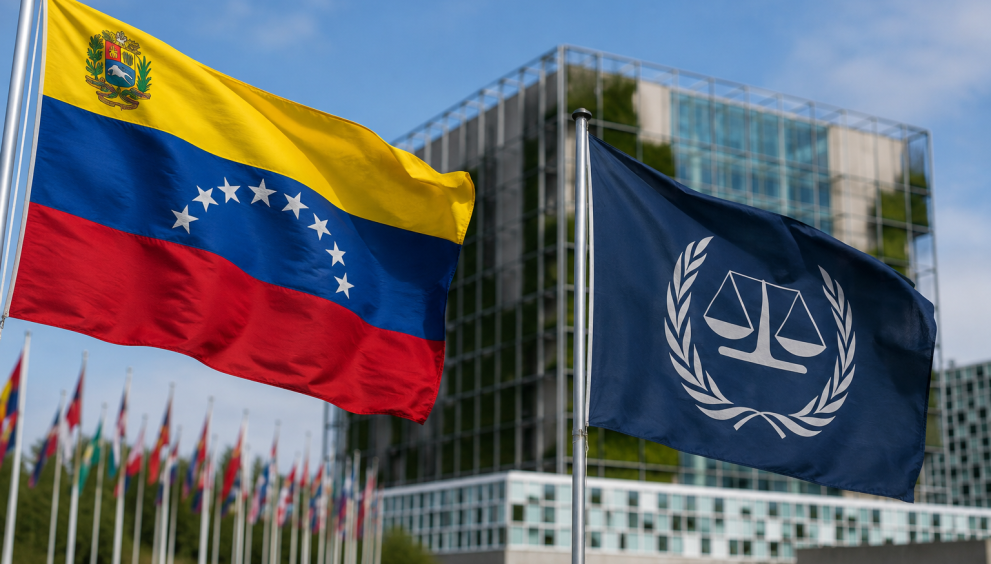
Venezuela has formally notified the United Nations of its decision to withdraw from the International Criminal Court (ICC), marking a significant step in its long-running dispute with the Hague-based tribunal, which is investigating alleged crimes against humanity committed in the country.
The Venezuelan government announced that it had submitted its notification to the UN Secretary-General, the depositary of the Rome Statute the treaty that established the ICC. Officials argued that the court has become politicized and has unfairly targeted Venezuela, maintaining that the country’s judicial institutions are capable of investigating and prosecuting alleged crimes without external intervention.
Government Defends Decision
Authorities said the withdrawal reflects Venezuela’s commitment to safeguarding its sovereignty and rejecting what it described as politically motivated actions by international bodies.
Government representatives reiterated that the ICC has exceeded its mandate and accused the court of applying double standards in its treatment of member states. They insisted that Venezuela remains committed to international law while preserving its independence over judicial matters.
ICC Investigation Continues
The ICC has been conducting an investigation into alleged crimes against humanity in Venezuela, focusing on accusations that security forces and government officials committed abuses during anti-government demonstrations and political unrest beginning in 2017.
Prosecutors have alleged that arbitrary detention, torture, sexual violence, and persecution of political opponents may have occurred. Venezuelan authorities have consistently denied these allegations, arguing that isolated abuses have been investigated domestically and do not justify international intervention.
Withdrawal Process
Under the Rome Statute, a country’s withdrawal from the ICC generally takes effect one year after the UN receives the formal notification. However, withdrawal does not automatically end the court’s jurisdiction over crimes allegedly committed while the country was still a member.
Legal experts note that ongoing investigations and proceedings related to events that occurred before the withdrawal becomes effective may continue under the court’s mandate.
International Reaction
The announcement is expected to draw close attention from the international community, particularly human rights organizations and countries that support the ICC’s role in holding individuals accountable for genocide, war crimes, crimes against humanity, and the crime of aggression.
Critics of Venezuela’s decision argue that continued international oversight is essential to ensure accountability for alleged human rights violations, while supporters of the government’s move say national courts should have primary responsibility for addressing such cases.
The development adds another chapter to Venezuela’s strained relationship with several international institutions and is likely to influence ongoing diplomatic discussions surrounding governance, human rights, and international justice.
________________________________________________________________________________________________________________