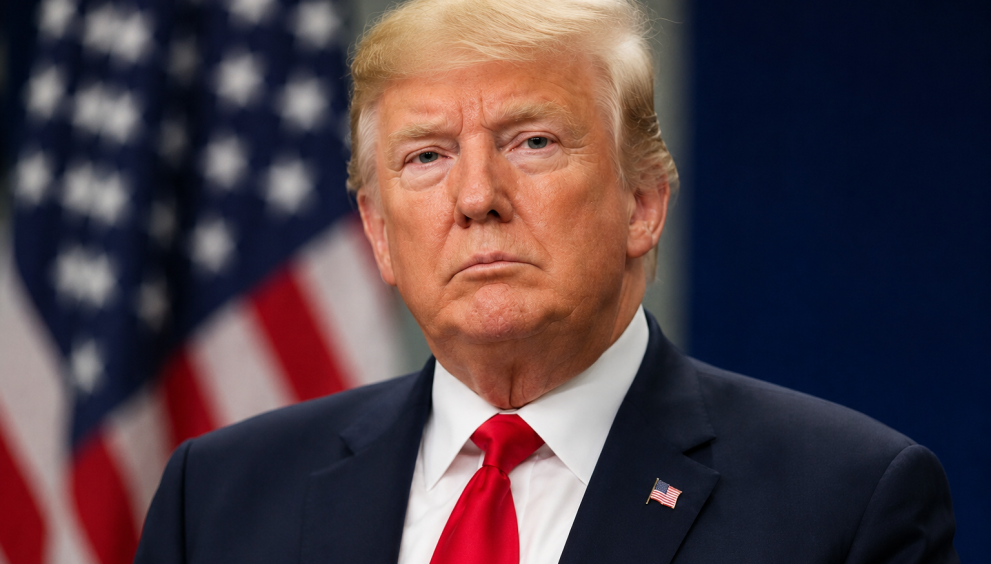
U.S. president says major oil companies must help reduce fuel costs for American consumers
U.S. President Donald Trump has publicly criticized energy giants Exxon Mobil and Chevron, accusing the companies of making “too much money” while American motorists continue to face elevated gasoline prices.
In comments delivered during a media appearance and later reinforced on social media, Trump said the major oil producers should use their strong profits to help bring down fuel costs rather than focusing solely on shareholder returns.
“Exxon and Chevron are making too much money,” Trump said. “Gasoline prices should be lower for the American people.”
The remarks mark an unusual intervention from a Republican president who has generally supported expanded domestic oil and gas production and reduced regulatory burdens on the energy industry.
Pressure on major oil producers
Trump’s criticism comes as fuel prices remain a politically sensitive issue in the United States. Although prices have eased from the record highs seen in previous years, they continue to vary significantly across states and remain closely watched by consumers, businesses, and financial markets.
The president argued that large oil companies are benefiting from strong global crude prices, refining margins, and energy market volatility, and he urged them to take steps that would provide more immediate relief at the pump.
Industry analysts note that gasoline prices are influenced by several factors, including:
- Global crude oil prices
- Refinery capacity and maintenance outages
- Seasonal fuel demand
- Transportation and distribution costs
- Federal and state fuel taxes
- Geopolitical developments affecting energy supply
Exxon and Chevron have not announced changes
As of Tuesday, neither Exxon Mobil nor Chevron had announced any policy changes in response to Trump’s comments. The companies have previously defended their earnings by pointing to large capital investments, exploration costs, refinery operations, and the cyclical nature of the energy business.
Both companies have reported substantial profits in recent quarters, supported by continued global demand for oil and natural gas and disciplined production strategies.
Political and economic implications
Trump’s comments could resonate with voters concerned about household expenses, transportation costs, and inflation, particularly as energy prices remain an important economic indicator.
Democrats have frequently accused major oil companies of price gouging and prioritizing shareholder payouts, while many Republicans have traditionally argued that increasing domestic production and reducing government restrictions are the most effective ways to lower fuel prices.
By directly targeting Exxon and Chevron, Trump appears to be attempting to position himself as an advocate for consumers frustrated by energy costs, even while continuing to support policies aimed at expanding U.S. fossil fuel production.
Markets watching energy policy signals
Energy traders and investors are monitoring whether the president’s remarks signal a broader push for voluntary price restraint, increased production, or additional policy measures affecting the oil industry.
Analysts say any sustained political pressure on major producers could influence discussions around strategic petroleum reserves, drilling approvals, refinery operations, and export policy, though no new measures have yet been announced.
For now, Trump’s comments have added a new political dimension to the ongoing debate over corporate profits, energy security, and gasoline affordability as Americans continue to watch fuel prices closely heading into the final months of 2026.