National Push to Reclaim Frozen Gold Reserves
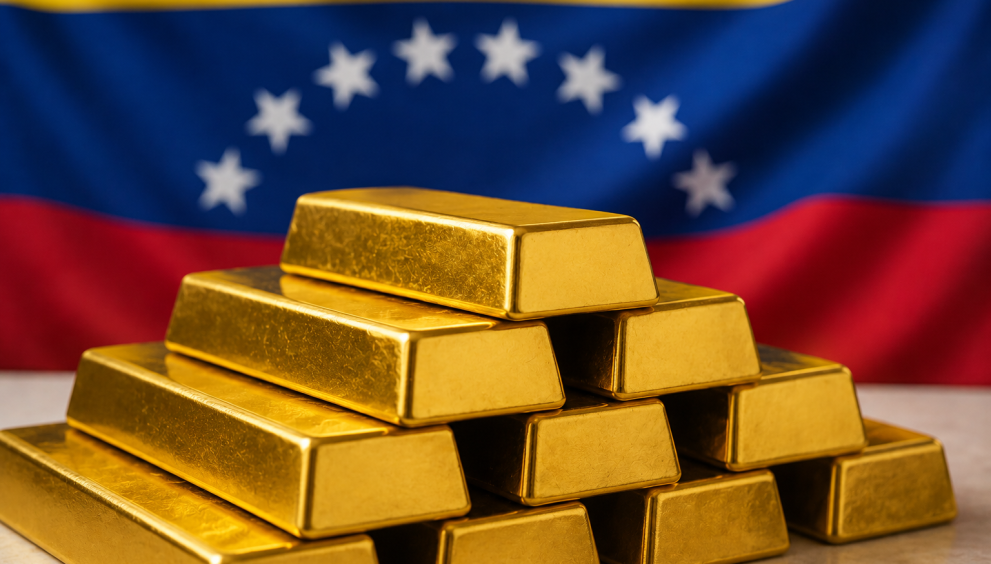
Venezuela’s political leadership has launched a renewed and coordinated national effort to recover approximately $4 billion in gold reserves held at the Bank of England, marking one of the most significant financial and diplomatic initiatives in recent years. The gold, estimated at around 31 metric tons, has remained frozen in London amid ongoing disputes over international recognition of Venezuela’s previous government and competing claims over state authority.
Senior officials in Caracas say the campaign reflects a unified national priority aimed at unlocking critical financial resources needed for post-disaster recovery and long-term economic stabilization. Lawmakers across multiple political factions have signaled support for the effort, framing it as essential to restoring public services and rebuilding infrastructure.
Gold Held in London Since Political Dispute
The Venezuelan gold reserves have been stored in the Bank of England for years but have remained inaccessible due to legal and diplomatic complications stemming from Venezuela’s contested political leadership. The UK government and the Bank of England have declined to release the assets, citing unresolved questions over legitimate representation of the Venezuelan state.
Despite repeated legal challenges and diplomatic requests, the gold has remained frozen, effectively preventing Venezuela from accessing one of its most valuable external financial holdings. The dispute has become a long-running point of tension between Caracas and Western financial institutions.
Reconstruction Efforts After Devastating Earthquakes
The renewed push to recover the gold comes in the aftermath of the June 24 earthquakes, which caused widespread destruction across multiple regions of Venezuela. The disaster resulted in thousands of deaths and left extensive damage to housing, hospitals, schools, and transportation infrastructure.
Government officials have described the situation as one of the most severe humanitarian and reconstruction challenges in decades. Emergency response operations remain ongoing, but authorities have shifted focus toward long-term rebuilding efforts, which they say will require substantial external funding and access to frozen national assets.
Government Plans for Infrastructure Recovery
National Assembly President Jorge Rodríguez has stated that Venezuela’s leadership is prioritizing the recovery of overseas assets, including the gold held in London, to finance reconstruction programs. According to officials, the funds would be directed toward rebuilding electricity grids, healthcare facilities, public housing, and transportation networks damaged in the earthquakes.
The government has outlined preliminary recovery plans that include large-scale infrastructure rehabilitation projects and expanded social support programs for displaced families. Officials argue that access to the gold reserves would significantly accelerate reconstruction timelines and reduce reliance on external borrowing.
Legal and Diplomatic Battle With the Bank of England
The effort to reclaim the gold is also unfolding within a complex legal and diplomatic framework. Venezuela’s representatives have pursued multiple legal avenues in British courts, while simultaneously engaging in diplomatic negotiations aimed at securing the release of the assets.
Acting President Delcy Rodríguez has formally requested the repatriation of the gold, arguing that it should be used for humanitarian recovery and national reconstruction. However, the Bank of England has maintained its position of non-release, citing the ongoing political dispute and lack of consensus over Venezuela’s recognized leadership.
Legal experts note that the case remains highly sensitive, involving questions of sovereign immunity, international recognition, and financial custodianship.
Inflation Surge Deepens Economic Pressure
The push to recover the gold comes at a time of mounting economic instability in Venezuela. The country is experiencing a sharp acceleration in inflation, with the central bank reporting a monthly rate of 19.9% in July, up from 13.8% in June.
Annual inflation has surged to over 575%, driven in part by supply chain disruptions and infrastructure damage linked to the earthquakes. The rapid rise in prices has intensified pressure on households, reduced purchasing power, and complicated government recovery efforts.
Economists warn that without access to additional financial reserves or external funding, Venezuela may struggle to stabilize its economy in the short term.
Gold Seen as Key to Financial Stability
Analysts estimate that the value of Venezuela’s gold holdings in London has increased alongside global bullion prices, making the reserves an even more significant financial asset than when they were first frozen.
For the Venezuelan government, the gold represents a potential lifeline for stabilizing public finances, funding reconstruction, and supporting essential imports. Officials have repeatedly emphasized that the reserves are part of the nation’s sovereign wealth and should be used to address urgent domestic needs.
Sovereignty Argument Gains Political Momentum
Beyond its financial importance, the campaign to recover the gold has taken on strong political and symbolic significance. Government leaders and supporters argue that the reserves represent national sovereignty and belong to the Venezuelan people rather than foreign custodians.
This framing has helped build broader political consensus within the country, with lawmakers and officials presenting the issue as a matter of national dignity and independence. Public messaging has increasingly linked the gold recovery effort to themes of self-determination and economic justice.
Uncertain Outlook for Release of Assets
Despite growing domestic momentum, the outlook for the release of Venezuela’s gold remains uncertain. The Bank of England has not indicated any change in its position, and legal barriers tied to international recognition disputes continue to complicate resolution efforts.
Diplomatic observers suggest that any breakthrough would likely require either a negotiated political settlement or a significant shift in international recognition dynamics. Until then, the gold is expected to remain frozen, leaving Venezuela to pursue alternative funding sources for its urgent reconstruction needs.