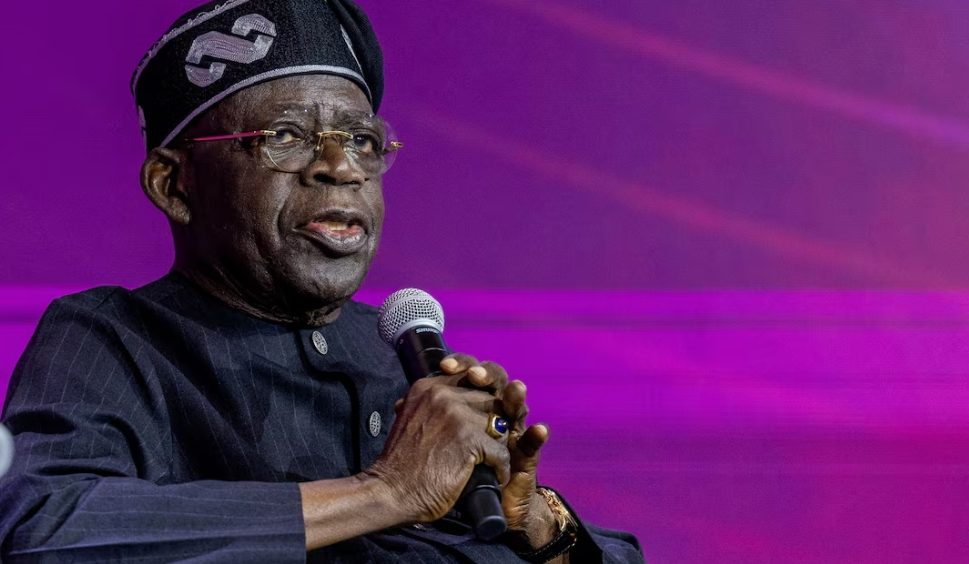
Nigeria’s political parties have officially entered the campaign period for the January 2027 presidential election, putting President Bola Tinubu and his ruling All Progressives Congress (APC) under growing pressure to convince voters that the party’s years in power have improved their lives.
Tinubu is seeking a second term after winning the 2023 election with 36.6% of the vote. His main challengers include former Vice President Atiku Abubakar and former Anambra State governor Peter Obi, who are again positioning themselves as alternatives to the ruling party.
Economic Hardship at the Centre
The campaign is expected to focus heavily on Nigeria’s economic difficulties. Tinubu’s administration removed the costly fuel subsidy and introduced major currency reforms, measures that have attracted investor interest but also contributed to severe short-term pressure on households through higher prices and a cost-of-living crisis.
Public concerns over inflation, living costs, unemployment and insecurity could become decisive issues as voters assess whether the government’s reforms have produced meaningful improvements in everyday life.
Opposition Seeks to Challenge APC Dominance
The opposition is attempting to capitalize on public dissatisfaction, although divisions among rival parties could work in Tinubu’s favour. Efforts by Atiku and Obi to build a united opposition front have previously failed, leaving multiple candidates competing against the APC.
Tinubu also enters the campaign with significant political strength. The APC controls the national government and has expanded its influence across Nigeria’s states, giving the president a formidable political and organisational network.
Security Remains a Major Issue
Beyond the economy, insecurity remains a central concern for voters. Armed violence, kidnappings and attacks in parts of the country continue to put pressure on the government and are likely to feature prominently in campaign debates.
With voting scheduled for January 16, 2027, the campaign will provide voters with an opportunity to judge Tinubu’s record while opposition candidates seek to turn economic and security frustrations into a nationwide challenge to APC rule.