Firefighter Unions Question What Officials Knew About Hazardous Conditions Following the September 11 Attacks
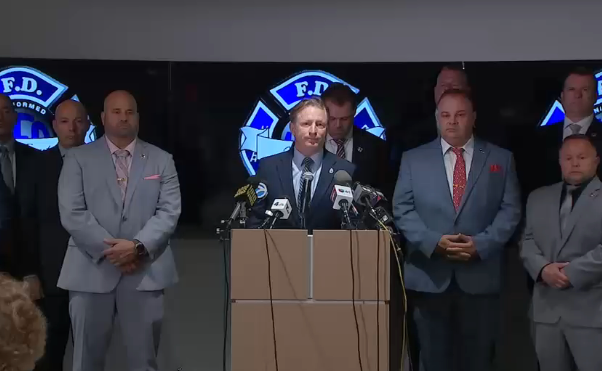
Firefighter union leaders in New York are demanding answers after the release of previously unavailable 9/11 air quality records, saying the documents raise fresh questions about what government officials knew about toxic conditions at Ground Zero in the aftermath of the attacks.
The records have renewed scrutiny of the health risks faced by firefighters, emergency responders and other workers who spent months operating at or near the World Trade Center site.
NEW QUESTIONS OVER TOXIC CONDITIONS
FDNY union officials say the newly released material could provide additional insight into what authorities knew about air quality at Ground Zero and when they knew it.
The concern centres on whether warnings about hazardous substances in the air were adequately communicated to firefighters and other first responders working in the area.
The World Trade Center site was contaminated by a complex mixture of dust, smoke and combustion products after the towers collapsed. Investigations conducted after the attacks identified numerous hazardous substances, including asbestos, pulverised building materials and other toxic compounds.
LONG-TERM HEALTH CONSEQUENCES
The health consequences of exposure at Ground Zero have continued to emerge more than two decades after the attacks.
Thousands of first responders and survivors have developed respiratory diseases, cancers and other illnesses associated with exposure to conditions at the World Trade Center site.
The World Trade Center Health Program continues to monitor and provide treatment for responders and survivors affected by 9/11-related health conditions.
FDNY unions have long argued that the firefighters who worked at Ground Zero were exposed to dangerous conditions while carrying out rescue, recovery and cleanup operations.
MORE FIREFIGHTERS HAVE DIED FROM 9/11-RELATED ILLNESSES
The latest controversy comes against the backdrop of a grim milestone for New York’s firefighting community.
More FDNY firefighters have now died from illnesses attributed to their 9/11 service than the 343 firefighters and emergency medical personnel who were killed on September 11, 2001, according to FDNY and union tallies.
The deaths have underscored the continuing human cost of the attacks and the prolonged exposure experienced by first responders who survived the initial disaster.
WHAT DID OFFICIALS KNOW?
The central question raised by the unions is whether authorities possessed information about potentially dangerous air conditions that should have prompted stronger warnings or protective measures.
The newly released records are expected to become the focus of further examination as firefighters, families and advocates seek to establish a clearer timeline of what government agencies knew about air quality in the days and weeks following the attacks.
Determining what individual officials knew at particular points in time will require careful examination of the records and comparison with air-quality testing and public statements made at the time.
A LEGACY THAT CONTINUES
The debate over Ground Zero’s air quality has persisted for more than two decades.
For firefighters and other first responders, the issue is not simply historical. Many continue to live with serious illnesses, while families of those who have died continue to seek recognition and accountability for the risks their loved ones faced.
The newly released records could provide additional evidence for understanding the environmental conditions at Ground Zero and the decisions made during the enormous rescue, recovery and cleanup operation.
As FDNY unions demand answers, the records are likely to add another chapter to the continuing investigation into the long-term consequences of the September 11 attacks.