Sweden’s centre-left opposition is heading into Sunday’s parliamentary election with a narrow lead over the governing right-wing bloc, but divisions within the opposition could make forming a government difficult even if it wins the vote.
A poll conducted by Indikator Opinion between September 2 and 10 put the four left-leaning opposition parties on 50.8%, potentially translating into 180 seats in the 349-member Riksdag. The governing bloc and its ally, the Sweden Democrats, were on 47.6%, corresponding to about 169 seats.
Andersson seeks return to power
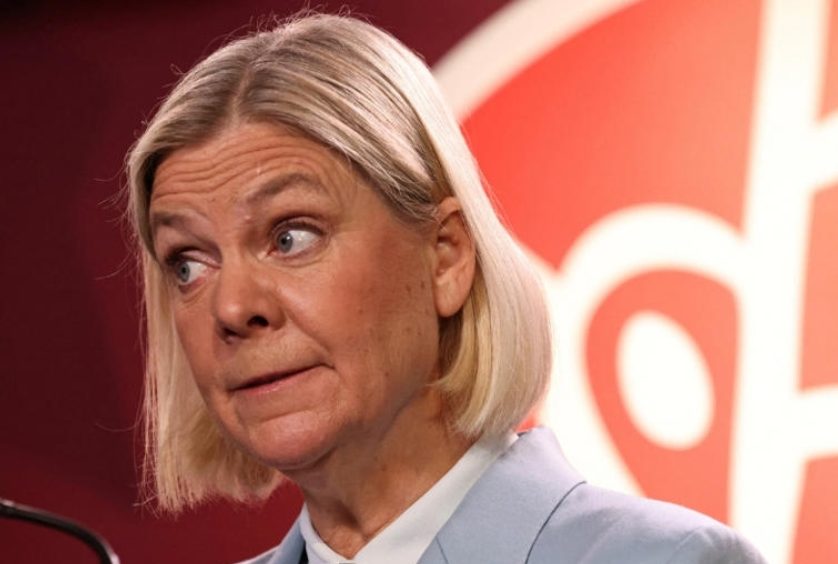
The result places Social Democratic leader Magdalena Andersson in a strong position to challenge Prime Minister Ulf Kristersson, who has led Sweden’s centre-right government since 2022.
Andersson, Sweden’s first female prime minister, is campaigning on increased welfare spending, tax fairness and greater social cohesion. She remains one of the country’s most trusted political figures, but faces the difficult task of holding together an opposition alliance with significant policy differences.
Left-wing divisions could complicate government formation
Although the opposition parties share an interest in preventing the Sweden Democrats from gaining greater power, they disagree over issues including taxation, energy policy and nuclear power.
Those differences could become particularly important after the election if the centre-left wins the largest number of seats but fails to secure a straightforward parliamentary majority. Negotiations over a coalition or minority government could therefore extend beyond election night.
Sweden Democrats seek greater influence
The Sweden Democrats, led by Jimmie Åkesson, remain central to the election despite their position outside the current cabinet. The party has supported Kristersson’s government and has played a major role in pushing Swedish politics toward stricter immigration and tougher crime policies.
A strong result could see the party enter government for the first time, significantly increasing its influence over national policy.
Immigration, crime and living costs dominate campaign
The election campaign has focused on welfare, crime, immigration and the rising cost of living, while both major blocs broadly support continued backing for Ukraine and increased defence spending. Sweden joined NATO in 2024 following Russia’s full-scale invasion of Ukraine.
Swedes will vote on Sunday, September 13, in an election that could determine whether the country returns to centre-left rule under Andersson or gives Kristersson’s right-wing alliance another term. With the race tightening and the opposition divided, the final result may depend not only on which bloc wins the most votes, but on which parties can successfully work together afterward.
________________________________________________________________________________________________________________