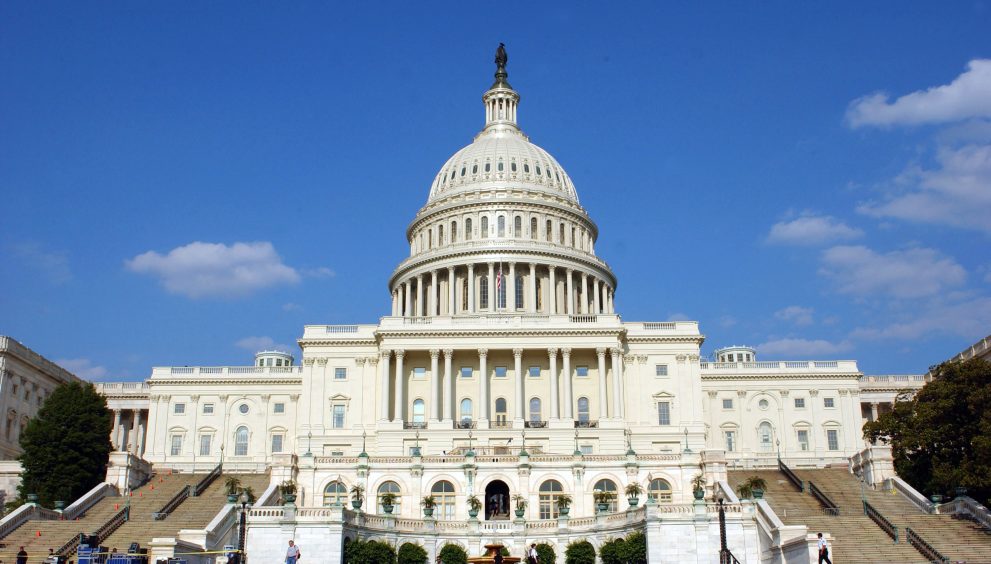
The U.S. House of Representatives has advanced legislation aimed at tightening economic pressure on Russia, moving the measure closer to a final vote after months of debate over sanctions and presidential tariff powers.
The Lindsey O. Graham Sanctioning Russia and Iran Act of 2026 would give President Donald Trump expanded authority to impose tariffs of up to 100% on goods from countries that purchase Russian oil and gas. The legislation is named after the late Senator Lindsey Graham, who had been a leading advocate of tougher measures against Moscow.
House Moves Bill Toward Final Vote
The House cleared a key procedural hurdle on Wednesday, allowing lawmakers to proceed toward consideration of the legislation. The House Rules Committee had previously approved the framework for consideration after rejecting several proposed amendments, including one that would have removed the broad secondary-tariff provisions.
The bill is now expected to face a final House vote on Thursday, September 17. It has already passed the Senate with strong bipartisan support, receiving an 86-11 vote.
India and China Among Potential Targets
A central provision would allow the administration to impose tariffs of up to 100% on countries purchasing significant quantities of Russian energy.
House legislative materials list China, India, Türkiye, Azerbaijan, Hungary, Slovakia, the United Arab Emirates, Singapore, Kazakhstan and Kyrgyzstan among countries that could be eligible for the tariff measure. The legislation also contains provisions targeting countries involved in helping Russia evade existing sanctions.
The measure does not itself impose a 100% tariff immediately. Rather, it would provide the president with authority to impose such duties under specified circumstances.
Debate Over Presidential Powers
The legislation has generated opposition in the House, particularly over the breadth of the tariff authority it would provide the White House.
Representative Gregory Meeks, the ranking Democrat on the House Foreign Affairs Committee, argued that the bill would give the president excessively broad authority to impose tariffs and could increase costs for American consumers. Those objections are part of a broader congressional debate over the extent of presidential power over trade and sanctions.
Supporters of the measure have argued that stronger economic pressure on Russia and countries continuing to purchase its energy could increase pressure on Moscow amid the war in Ukraine. Reuters previously reported that the legislation is intended to increase the economic cost of Russia’s war effort and target countries supporting Russian energy revenues.
Iran Also Covered
The bill also contains provisions concerning Iran, including measures aimed at extending or strengthening sanctions affecting the country’s energy and weapons-related activities.
If approved by the House in its current form, the legislation would move toward the next stage of the lawmaking process and could ultimately reach the White House for presidential consideration.
The upcoming House vote will therefore be closely watched by Russia, India, China and other major Russian energy buyers, as well as businesses concerned about the potential effects of expanded U.S. tariff powers on international trade.
________________________________________________________________________________________________________________