Washington Rejects Iran Proposal Over Demands for Upfront Economic Relief
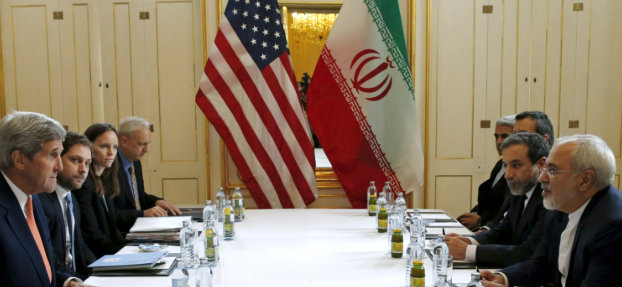
U.S. Ambassador to the United Nations Mike Waltz says the United States rejected Iran’s latest proposal to reopen the Strait of Hormuz after Tehran sought sanctions relief and access to billions of dollars in frozen assets before making commitments on its nuclear programme.
According to Waltz, Iran’s proposal called for economic concessions to be provided upfront, while Washington wanted nuclear commitments and verifiable steps from Tehran before major sanctions were lifted.
U.S. President Donald Trump rejected the terms, with American officials maintaining that any lasting agreement must include clear and measurable requirements for the dismantling of Iran’s nuclear capabilities.
Washington has stressed that economic restrictions imposed on Iran would only be permanently removed once Tehran demonstrates compliance with agreed nuclear obligations.
The dispute comes amid continuing efforts to address the security of the Strait of Hormuz, one of the world’s most important energy and shipping routes. Any disruption to commercial traffic through the waterway has significant implications for global energy markets and international trade.
U.S. officials say a durable agreement would require verification mechanisms capable of establishing whether Iran has fulfilled its nuclear commitments before broader sanctions relief is granted.
The disagreement highlights the central challenge facing the negotiations: Iran is seeking economic relief, while Washington is demanding concrete and verifiable nuclear measures before providing significant concessions.
Further diplomatic discussions are expected as both sides continue to assess the conditions required for an agreement covering nuclear restrictions, sanctions and the future of commercial navigation through the Strait of Hormuz.