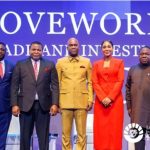
Ethiopia has appointed Fitsum Assefa as its new Finance Minister as Prime Minister Abiy Ahmed begins a new five-year term and reshapes his government following the country’s latest parliamentary elections.
Fitsum, who previously served as Minister of Planning and Development, moves into the finance portfolio at a critical moment for Ethiopia as the government continues implementing sweeping macroeconomic reforms, addressing debt pressures and seeking to strengthen foreign-exchange availability and investment.
Her appointment comes as Ethiopia establishes its new Medemer Government, following the inauguration of the seventh House of Peoples’ Representatives and Abiy Ahmed’s return for a second term. The new administration is expected to focus heavily on economic transformation, institutional reform and efforts to improve the country’s fiscal position.
Fitsum has played a prominent role in Ethiopia’s economic policy over recent years. As Planning and Development Minister, she has been involved in the implementation and monitoring of the government’s homegrown economic reform programme.
At the recent Finance Forum 2026, Fitsum said Ethiopia’s reforms had helped bring average annual inflation down from above 26% to just over 16% within a year. She also highlighted measures including fiscal consolidation, restrictions on credit growth and agricultural productivity initiatives as contributors to the improvement.
Her move to the Finance Ministry comes as Ethiopia seeks to consolidate progress on debt restructuring and strengthen its financial resilience. Former Finance Minister Ahmed Shide had said that successful debt restructuring would help ease fiscal pressures and foreign-exchange constraints, while greater domestic revenue mobilisation, foreign investment, public-private partnerships and capital-market development remain important priorities.
The appointment therefore places Fitsum at the centre of Ethiopia’s economic agenda as the new government begins its five-year mandate. Her immediate priorities are expected to include maintaining macroeconomic stability, managing public finances, supporting investment and continuing reforms aimed at putting the economy on a more sustainable footing.
________________________________________________________________________________________________________________