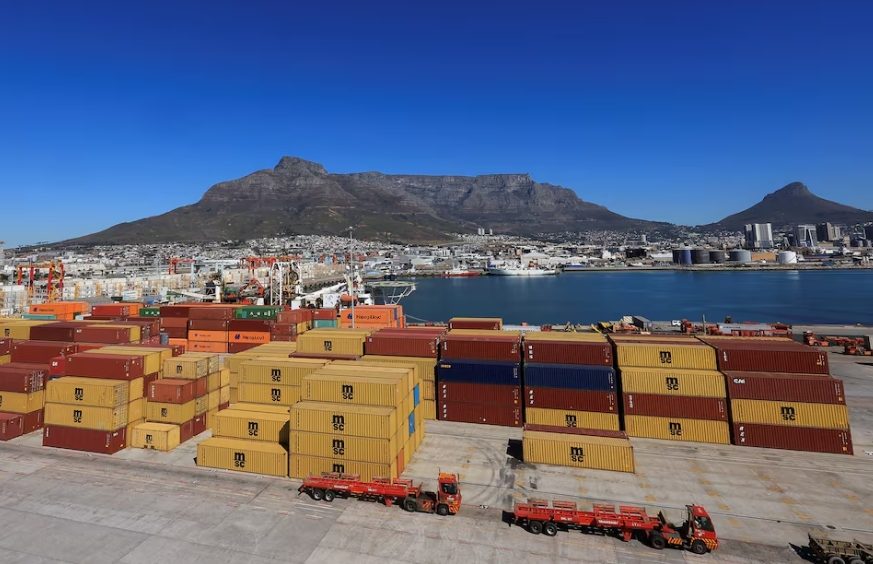
The United States plans to remove South Africa and Rwanda from preferential duty-free access to the American market under the African Growth and Opportunity Act (AGOA), in a move that could increase export costs and place pressure on key industries in both countries.
The announcement was made on November 2, 2026, by US Trade Representative Jamieson Greer, following an eligibility review. The proposed termination is expected to take effect on January 1, 2027, subject to the process outlined by Washington.
What Is AGOA and Why Does It Matter?
Introduced in 2000, AGOA provides qualifying sub-Saharan African countries with duty-free access to the US market for thousands of products. The programme is designed to promote trade, investment, economic growth and employment across Africa.
South Africa has been its largest beneficiary. In 2025, the country exported approximately $1.7 billion worth of goods to the United States under AGOA. These exports include motor vehicles and components, agricultural products, citrus fruit and wine.
Although AGOA exports represented about 1% of South Africa’s total global exports, the loss of preferential access could make affected products more expensive in the American market and reduce the competitiveness of local exporters.
Potential Impact on South Africa
The decision could place additional pressure on South Africa’s automotive, agricultural and manufacturing sectors, particularly businesses that rely on access to American consumers.
South Africa’s broader trade relationship with the United States remains significant. Bilateral trade reached approximately $29 billion in 2025, while the US remained one of the country’s major export destinations.
Importantly, removal from AGOA would not mean South African goods are banned from entering the United States. Instead, affected exports would lose their preferential duty-free treatment and become subject to the applicable standard tariffs.
Pretoria has indicated that it remains open to discussions with Washington while exploring alternative markets and strengthening trade relationships with other partners.
Rwanda Also Faces Trade Challenges
For Rwanda, the potential removal comes amid existing trade tensions with the United States. Kigali previously lost duty-free access for clothing exports under AGOA in 2018, following a dispute over tariffs on imported second-hand clothing.
Rwanda’s exports to the US include coffee, tea, agricultural products and minerals. US import data shows that goods imported from Rwanda totalled approximately $43.3 million in 2025, although the exact value benefiting from AGOA preferences has not been specified.
The Trump administration has raised concerns involving Rwanda’s trade and investment environment, rule of law, political pluralism, human rights and regional security interests.
Diplomatic and Economic Implications
Washington says both governments have engaged in practices inconsistent with AGOA’s eligibility requirements. South Africa and Rwanda could face increased costs for affected exports, while businesses may need to reconsider pricing, investment and market strategies.
The decision also highlights the wider economic consequences of strained diplomatic relations between the United States and African governments.
For South Africa and Rwanda, the immediate challenge will be protecting export industries, supporting affected businesses and workers, and diversifying international trade partnerships while keeping diplomatic channels open.
As the proposed January 2027 deadline approaches, negotiations and possible policy responses could determine whether the countries retain any pathway to restoring their preferential trade status.
________________________________________________________________________________________________________________