

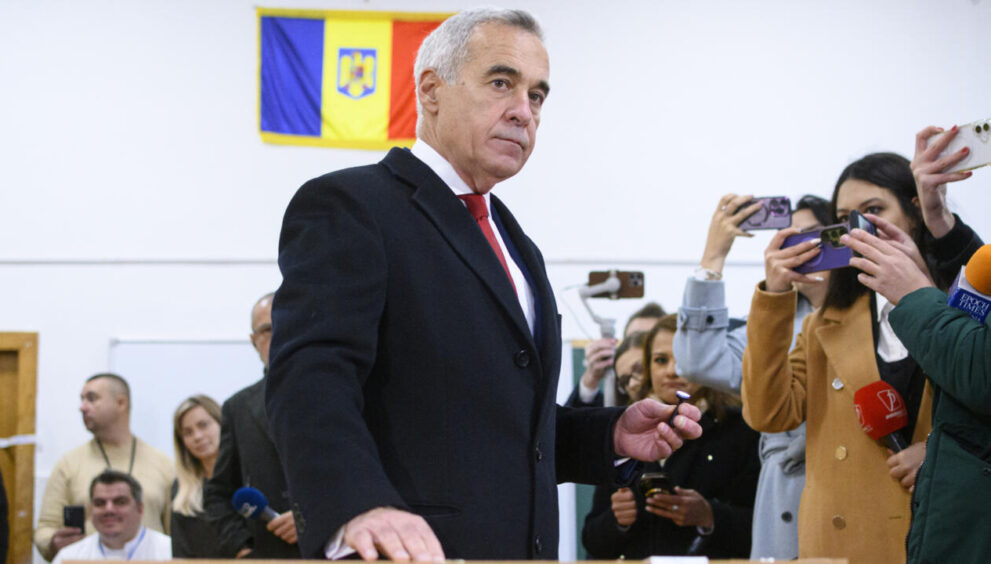
Romania is heading to the polls this Sunday for a repeat presidential election that could see nationalist politician George Simion rise to power. Such a result may strain the country’s relationships within the European Union and NATO and cause concern among foreign investors.
Simion, known for his hardline views and skepticism toward the EU, currently leads voter surveys ahead of the election’s first round. The re-run follows the annulment of a previous vote, which was reportedly influenced by foreign interference — claims that Russia has rejected.
The 38-year-old candidate stepped in after far-right figure Călin Georgescu was disqualified despite leading the prior race. Public frustration over that disqualification has bolstered Simion’s support.
Simion has voiced opposition to sending military support to Ukraine, criticized the direction of EU leadership, and aligned himself with policies associated with former U.S. President Donald Trump. A traditionalist in his social views, he backed a 2018 referendum that sought to ban same-sex marriage — a measure that ultimately failed.
Observers warn that a Simion presidency could lead to increased diplomatic isolation, reduced investor confidence, and a more unpredictable stance within NATO, especially regarding aid to Ukraine, potentially benefiting Russia during its ongoing war.
Political analyst Cristian Pirvulescu noted that Romania is now facing an unusually high level of uncertainty, driven by a surge in anti-Western sentiment.
With support hovering around 30%, Simion is expected to lead the first round but fall short of an outright victory, setting up a runoff vote on May 18. His primary challengers are centrist candidates Crin Antonescu, a former senator, and Nicușor Dan, the current mayor of Bucharest.
Antonescu, 65, has the backing of the coalition currently in power and is viewed as a supporter of existing Western-aligned policies. Dan, 55, is campaigning independently on a reform-focused platform, also supporting Romania’s alignment with the EU and NATO.
Simion gained momentum after aligning with Georgescu, who has been sidelined due to investigations related to ties with extremist groups and campaign financing. Authorities are now scrutinizing Simion’s campaign funding.
Supporters see him as a principled figure standing up for national interests. “He’s been honest and loyal to someone who truly cared about Romania. I believe he can restore democracy,” said one voter, Vlad Popa, a 50-year-old lawyer. Others, however, express doubts about his readiness for office, citing his youth and limited experience.
Romania’s president serves a semi-executive role, including responsibilities such as leading the armed forces, heading the national security council, and representing the country at major international summits. The president also has significant influence over judicial and intelligence appointments and can veto key EU decisions.
Analysts from global financial institutions warn that a Simion win could lead to political instability and shifts in Romania’s leadership structure. This uncertainty comes at a time when the country is struggling to control its budget deficit, one of the largest in the EU, and could face a credit rating downgrade.
The next president will confront economic challenges, including possible trade tensions and demands for increased defense spending. There may also be diplomatic work ahead to repair ties with Washington, following criticism from U.S. conservatives over the decision to nullify the previous election.
Simion has pledged to reveal the extent of Romania’s contributions to the war in Ukraine, which he argues have come at the cost of domestic welfare programs. He has also made controversial statements about redrawing national borders to match those of 1940 — a stance that has led to bans on his entry into Moldova and Ukraine.

