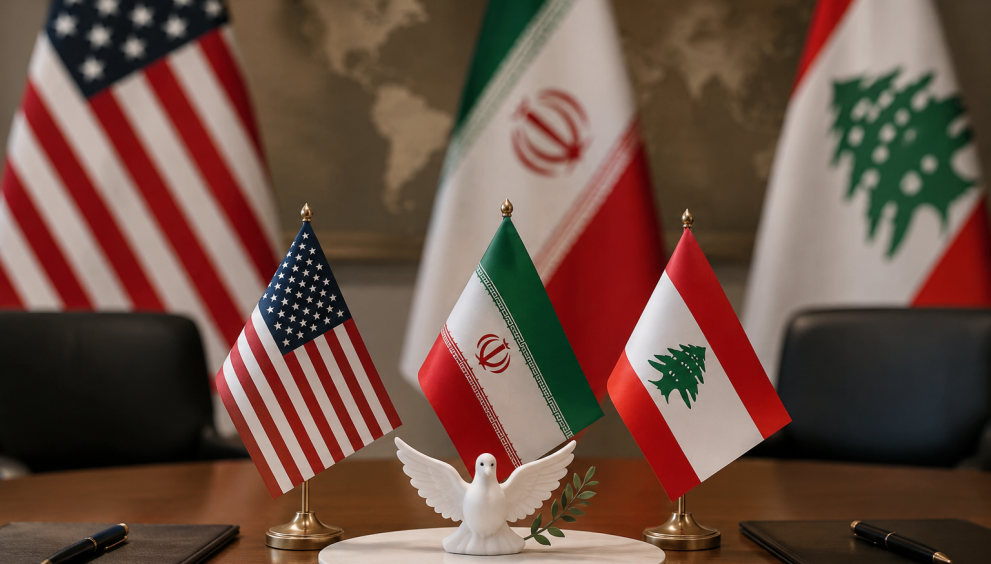
The United States, Iran and Lebanon have agreed to establish a joint ceasefire monitoring committee aimed at overseeing the implementation of a fragile truce in Lebanon and preventing renewed violence that has threatened to derail broader regional peace efforts.
The committee forms part of an evolving diplomatic framework that emerged from recent U.S.-Iran negotiations mediated by Qatar and Pakistan, as Washington and Tehran seek to transform an interim ceasefire agreement into a more comprehensive settlement addressing regional security, maritime stability and the conflict in Lebanon. The initiative comes amid continued concerns that fighting between Israel and Hezbollah could reignite and destabilize the wider Middle East.
Ceasefire Mechanism to Oversee Lebanon Security
According to reports, the new mechanism will serve as a platform for communication and de-escalation, bringing together representatives from the United States, Iran and Lebanon to monitor ceasefire violations, coordinate responses to security incidents and support diplomatic efforts to maintain stability in southern Lebanon. The mechanism is also expected to include support from regional mediators such as Qatar and Pakistan.
The committee’s creation follows weeks of intensive diplomacy after a surge in violence between Israel and Hezbollah complicated efforts to secure a lasting peace agreement between Washington and Tehran. U.S. officials view stability in Lebanon as a critical component of any broader regional settlement and have repeatedly warned that renewed fighting could jeopardize ongoing negotiations.
Lebanon Remains a Major Obstacle in U.S.-Iran Talks
The issue of Lebanon has become one of the most sensitive aspects of the negotiations between Washington and Tehran. Iran has insisted that progress on regional security and a lasting agreement with the United States must include arrangements that prevent further escalation in Lebanon and address the future of Hezbollah and Israeli military operations.
Diplomatic sources say the ceasefire committee is intended to create a formal channel through which disputes can be managed before they spiral into direct military confrontation. The mechanism is expected to facilitate information sharing, verify reports of violations and coordinate efforts to preserve the current truce.
Broader Regional Peace Efforts Continue
The establishment of the committee comes as U.S. and Iranian negotiators continue technical talks in Doha on a wider peace agreement that includes issues such as maritime security in the Strait of Hormuz, sanctions relief and the release of frozen Iranian assets. Both sides have agreed to continue negotiations during a 60-day framework established under a memorandum of understanding signed last month.
Despite diplomatic progress, significant challenges remain. Hezbollah has not formally signed onto the ceasefire arrangements and has expressed reservations about security agreements involving Lebanon and Israel. Israeli officials, meanwhile, have maintained that military operations will continue until they believe the threat posed by Hezbollah has been eliminated.
A Delicate Path Toward Stability
Analysts say the creation of the joint ceasefire committee represents one of the first direct mechanisms linking the United States, Iran and Lebanon in managing regional security issues. While the initiative is being welcomed as an important confidence-building measure, its success will depend on the willingness of all parties to respect the ceasefire and continue diplomatic engagement.
The committee’s work is expected to begin immediately, with mediators hoping that a functioning monitoring mechanism can prevent further escalation in Lebanon and help pave the way for a broader and more durable peace agreement in the Middle East.
________________________________________________________________________________________________________________