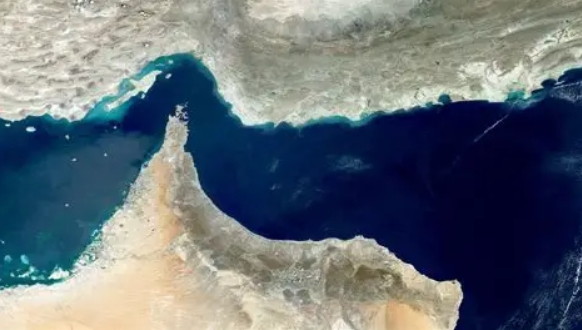
The United States and Iran have concluded another round of indirect talks in Qatar’s capital, Doha, with negotiations centered on securing maritime traffic through the strategically vital Strait of Hormuz and advancing elements of an interim peace agreement, but without achieving a major political breakthrough.
The discussions, mediated by Qatar and supported by regional partners, took place over two days and were viewed as a crucial step in maintaining a fragile ceasefire between Washington and Tehran following months of military escalation in the Gulf region. Despite the lack of a comprehensive agreement, both sides described the talks as constructive and indicated that further negotiations are expected later this month.
Strait of Hormuz Dominates Negotiations
The primary focus of the Doha talks was the future of the Strait of Hormuz, one of the world’s most important energy corridors through which nearly a fifth of global oil shipments pass.
Iran is reportedly seeking greater international recognition of its authority over the waterway and has proposed collecting transit fees from commercial vessels beginning in mid-August. The United States has firmly rejected any proposal that would allow Tehran to impose tolls on international shipping, arguing that the strait remains an international passage that must remain open and accessible.
The issue has become a major sticking point in efforts to achieve a broader peace agreement. Analysts say any disruption to shipping in the Strait of Hormuz could send global energy prices sharply higher and threaten international trade flows.
Frozen Iranian Assets Also Discussed
Sources familiar with the negotiations said another major topic involved the possible release of billions of dollars in frozen Iranian assets held abroad. Tehran has been pushing for access to some of these funds as part of a wider diplomatic settlement and sanctions relief package.
Iranian officials indicated that a communication mechanism would be established to continue discussions on the use of the frozen assets, particularly for humanitarian purchases and essential imports.
Nuclear Issue Put on Hold
Despite speculation that the talks could reopen discussions over Iran’s nuclear programme, sources said the issue was largely absent from the latest round of negotiations.
U.S. President Donald Trump nevertheless struck an optimistic tone, saying that the “denuclearisation of Iran is moving along well” and that relations between the two countries had improved significantly in recent weeks. Trump also said both sides were making progress toward securing shipping routes and achieving a lasting peace arrangement.
However, officials familiar with the negotiations cautioned that no concrete agreements were reached on Iran’s nuclear activities, leaving one of the most contentious issues in U.S.-Iran relations unresolved.
Temporary De-Escalation Holds
The Doha talks follow an agreement reached earlier this week under which both countries committed to a temporary de-escalation in the Strait of Hormuz to prevent further military confrontations and allow negotiations to proceed. The arrangement comes after months of tensions that included attacks on vessels, missile exchanges and disruptions to global shipping.
Regional mediators hope the pause in hostilities can create space for a more comprehensive agreement covering maritime security, sanctions relief and the future of Iran’s nuclear programme.
Oil Markets React Positively
Financial markets responded positively to news that the talks had concluded without a breakdown. Oil prices fell for a third consecutive day as traders interpreted the negotiations as reducing the immediate risk of a supply disruption in the Gulf.
Brent crude futures fell below $71 per barrel, while U.S. West Texas Intermediate crude also declined, reflecting growing confidence that shipping through the Strait of Hormuz will remain open in the near term.
Energy analysts warned, however, that the situation remains fragile and that any collapse in negotiations could once again trigger volatility in global energy markets.
What Happens Next?
The next round of talks is expected after the funeral of Iran’s Supreme Leader, Ayatollah Ali Khamenei, scheduled for July 9. Diplomats say the coming negotiations will be critical in determining whether the current ceasefire can evolve into a permanent agreement or whether tensions in the Gulf could reignite.
For now, both Washington and Tehran appear committed to keeping diplomatic channels open, but significant disagreements remain over maritime security, sanctions relief and the long-term political framework governing one of the world’s most strategically important waterways.
________________________________________________________________________________________________________________